BNP-M and Akhtar Mengal now stand fully exposed for their deceptive brand of politics. While they vocally champion Baloch rights, they have silently looted billions of rupees allocated through PSDP funds—resources intended to uplift impoverished communities in Wadh, Khuzdar, Kalat, and other regions of Balochistan. In the fiscal year 2022–23, BNP-M secured an astounding Rs. 13.4 billion for 430 schemes; in 2023–24, they obtained a further Rs. 16.7 billion for 661 schemes. Yet the people of Balochistan remain deprived of even basic necessities—no access to clean drinking water, no healthcare, no schools, no employment opportunities, and crumbling infrastructure.
Rather than serving the public good, these funds have been siphoned off to build personal business empires—ventures in mineral exports, real estate, and luxury properties in cities such as Karachi, Quetta, Islamabad, and even abroad. BNP-M’s politics have devolved into nothing more than a business enterprise, thriving on the suffering of the public. Those who once placed their trust in them to uphold Baloch rights have been cruelly betrayed in favour of self-interest and greed.
Akhtar Mengal has announced a “Long March” for 6 April 2025, branding it a movement to address the grievances of the Baloch people. But beneath his lofty rhetoric lies a far darker agenda: the normalisation of the banned Balochistan Liberation Army (BLA) and the deliberate destabilisation of Pakistan. Orchestrated in collaboration with the Balochistan Youth Council (BYC), this march has exposed clear and undeniable links with the BLA.
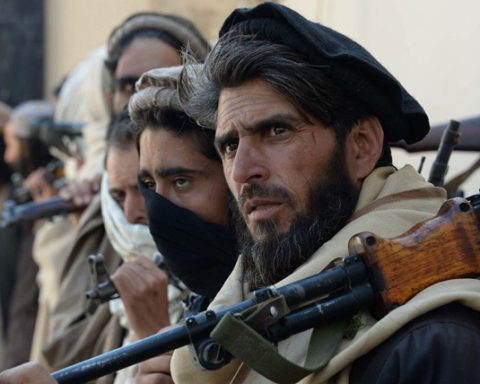
Mengal has openly abandoned any semblance of neutrality, expressing open sympathy for BLA militants. He not only endorses the narratives of those accused of targeting security forces and civilians, but prays for their so-called “cause”. These are the same militants responsible for the murder of innocent Punjabi labourers, attacks on security convoys, and the bombing of vital infrastructure projects designed to uplift the very people they claim to defend. By casting these killers as “victims”, Mengal distorts reality and echoes the BLA’s toxic rhetoric, glorifying violence and ethnic hatred under the guise of resistance.
The role of the BYC in this narrative is equally disturbing. Though it presents itself as a youth platform, the organisation functions as a front for the BLA—radicalising Baloch youth via social media with tales of martyrdom, while simultaneously coordinating logistics and funding with militant networks. When Mengal shares a stage with BYC leaders, he is not promoting development—he is recruiting foot soldiers for insurgency. This is not conjecture but part of a well-established pattern. Notably, the timing of the Long March coincided with a marked increase in BLA attacks, including assaults on Chinese workers and power stations. To dismiss this as mere coincidence is to wilfully ignore the evidence.
It is also time to confront an uncomfortable truth: the narrative of “missing persons” promoted by Mengal and his allies is, in many cases, a fabrication. Numerous individuals labelled as “disappeared” were not abducted by intelligence agencies—they voluntarily joined terrorist camps in the mountains of Balochistan, where they are trained to kill fellow Pakistanis based on ethnic identity. Their families, fully aware of their activities, perpetuate the myth of enforced disappearances to gain sympathy, secure asylum in Europe, and attract financial support from hostile foreign actors such as India. Meanwhile, their sons slaughter innocent Punjabi labourers—poor men who work in dangerous conditions to feed their families.
In stark contrast, Pakistan’s state institutions have remained steadfast in their commitment to Balochistan, despite continuous sabotage. Where militants blow up schools, the state rebuilds them. While the BLA targets CPEC projects, the government invests in roads, hospitals, and infrastructure to connect remote regions. While Mengal echoes foreign-funded propaganda, Pakistan’s security forces lay down their lives to protect all citizens—Baloch, Punjabi, Pashtun, and others. Provinces such as Sindh and Khyber Pakhtunkhwa face their own challenges, yet their leaders have not resorted to ethnic violence. Why? Because they understand that progress stems from unity, not division.
Mengal’s political machinations are a transparent attempt to exploit Balochistan’s long-standing grievances as a means of destabilising Pakistan, all while masquerading as a “nationalist”. But his true agenda is betrayed by his actions and alliances: the BYC’s militant ties, his overt sympathy for BLA terrorists, and the suspicious timing of the Long March all point to a singular objective—chaos. This is not only a betrayal of the Pakistani state, but of the ordinary Baloch citizens who desire jobs, education, peace, and dignity—not bloodshed and propaganda.
The future of Balochistan will not be shaped by militants hiding in the mountains or by exiled activists sowing discord from abroad. It will be built by those who invest in the land, who uplift communities, and who strive for unity. And the state will ensure that they prevail.