Forty-five years ago today, a daring U.S. military mission intended to rescue American hostages from Tehran ended in disaster, leaving eight American servicemen dead and reshaping the future of U.S. special operations.
The crisis began on November 4, 1979, when militant Iranian students stormed the U.S. Embassy in Tehran. Dozens of Americans were taken hostage as the students demanded the extradition of the deposed Shah Mohammad Reza Pahlavi, who had taken refuge in the United States following the Iranian Revolution. As weeks turned into months, the Carter administration came under intense domestic pressure. By April 1980, with 53 hostages still in captivity and diplomatic efforts exhausted, President Jimmy Carter authorized a high-stakes rescue mission: Operation Eagle Claw.
The mission was complex and unprecedented. It involved multiple branches of the military working together in a covert effort to infiltrate Iran, rendezvous at a remote desert location, and ultimately storm the U.S. Embassy to free the hostages. Delta Force, the Army’s elite counter-terrorism unit, was tasked with leading the ground operation, supported by helicopters launched from the USS Nimitz in the Arabian Sea.
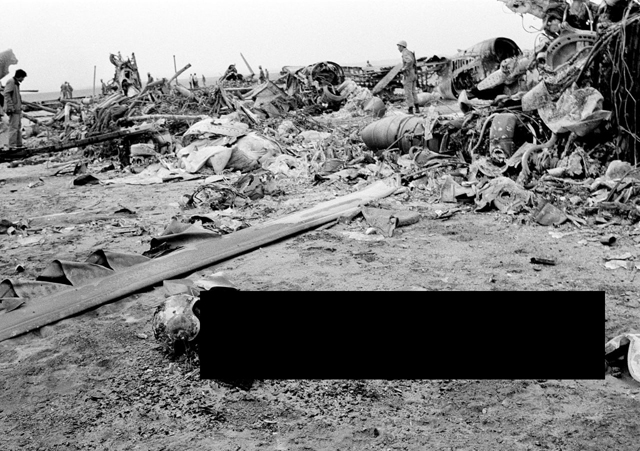
On April 24, 1980, eight helicopters took off, but the operation quickly unraveled. Mechanical issues and an intense sandstorm forced two helicopters to turn back. Another broke down after reaching the desert rendezvous point, reducing the fleet to five—below the minimum needed to proceed. The mission was aborted. But as American forces prepared to leave, tragedy struck. One of the remaining helicopters collided with a C-130 transport aircraft during refueling. The resulting explosion killed eight American servicemen and destroyed both aircraft. In the chaos, U.S. forces withdrew hastily, leaving behind wreckage, gear, and classified documents.
The failed operation stunned the nation and became a symbol of humiliation. News outlets around the world blasted headlines like “The Rescue That Wasn’t,” and critics pointed to poor planning, lack of inter-service coordination, and inadequate pilot training as causes of the disaster. The mission’s failure severely damaged Carter’s credibility and contributed to his defeat in the 1980 presidential election. In a poignant twist, the hostages were released just minutes after Ronald Reagan was sworn into office in January 1981.
Despite its failure, Operation Eagle Claw led to sweeping reforms in U.S. military structure. The Pentagon created the United States Special Operations Command (USSOCOM) to centralize elite military operations and ensure better coordination, training, and readiness. The lessons learned in the Iranian desert would go on to shape decades of special operations strategy and doctrine.
Today, the legacy of Operation Eagle Claw serves as both a sobering reminder of the risks of complex military missions and a turning point that ultimately strengthened U.S. special forces for future generations.