The UK’s thriving multibillion-pound film industry is facing a significant threat after President Donald Trump, following advice from Oscar-winning actor Jon Voight, announced plans to impose tariffs on films produced outside the United States. The move could have a devastating impact on Britain’s film sector, which has benefited from a surge in American productions over the last decade.
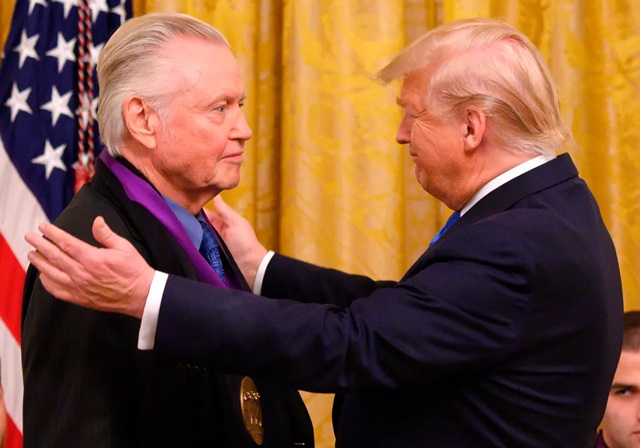
In a statement issued over the weekend, Trump pledged to impose a 100% tariff on all films “produced in foreign lands,” claiming that Hollywood is in danger of “dying a very fast death” due to competition from international film studios. Voight, the 86-year-old actor best known for his roles in Midnight Cowboy and Deliverance, has been appointed as a “special ambassador” to Hollywood by Trump. In this new role, he is tasked with restoring American filmmaking to its “golden era,” and has been lobbying studio executives on Trump’s behalf to address what they see as a growing threat to US cinema.
The announcement sent shockwaves across the UK’s film industry, which has become a key hub for major international productions, including films like Barbie and Jurassic World. British studios, such as Pinewood Studios in Buckinghamshire and Shepperton Studios in Surrey, have attracted American filmmakers by offering substantial tax breaks and world-class production facilities. The UK film and TV industry is valued at £21 billion, contributing nearly 1% to the national economy and employing over 250,000 people. The potential imposition of tariffs could disrupt high-profile productions and put thousands of skilled freelancers at risk.
Britain’s entertainment union, which represents tens of thousands of workers in the film industry, has expressed grave concern. Philippa Childs, head of the Broadcasting, Entertainment, Communications and Theatre Union, called the move “worrying news for tens of thousands of skilled freelancers who make films in the UK.” She urged the UK government to act swiftly to protect this vital sector, emphasizing the economic importance of the film industry to the nation.
The UK government was blindsided by the announcement. Senior officials expressed surprise, stating that the proposed tariffs had not been discussed in ongoing trade negotiations with the US. UK negotiators are now scrambling to secure assurances in any future trade deals with the US that would prevent such tariffs from being implemented.
The film sector’s exposure to foreign markets is substantial; British TV exports alone, including shows like Doctor Who and Top Gear, generate almost £600 million annually in the US. Should tariffs be imposed, this revenue stream, which helps support public broadcasters like the BBC, could be severely impacted.
Trump’s proposal to levy tariffs on foreign films is part of his broader economic agenda aimed at reversing the outsourcing of US industries. He claimed that foreign governments were “stealing” Hollywood’s filmmaking capability by offering financial incentives to filmmakers. However, the practical implications of such tariffs remain unclear, especially given that films are often shot in multiple countries, and major US studios like Disney and Warner Bros control the global distribution of these films.
The UK’s film industry is no stranger to the global spotlight, with some of the world’s most iconic films shot on British soil. Studios like Pinewood, which has hosted the James Bond franchise and Marvel’s Deadpool, and Warner Bros Studios in Leavesden, known for Harry Potter and Barbie, are vital components of the global film production landscape. The planned tariffs could jeopardize these collaborations and potentially hinder the UK’s ability to compete for high-budget productions.
In response, some US producers have expressed concern that the tariffs could drive up production costs, as outsourcing is often a more cost-effective option due to high domestic filmmaking expenses. The Trump administration has not yet finalized its decision on these tariffs but is reportedly exploring all options to deliver on the president’s directive, according to White House spokesperson Kush Desai.
As discussions continue, the film industry in both the US and the UK is bracing for a potential trade war that could reshape the global entertainment landscape. The full scope of the proposed tariffs and their impact on the UK’s economy remains uncertain, but the situation is rapidly developing, with both sides preparing for a showdown.
The Times UK has reported that UK negotiators are already planning to address the issue with their US counterparts, hoping to shield the film industry from the detrimental effects of the proposed measures.