


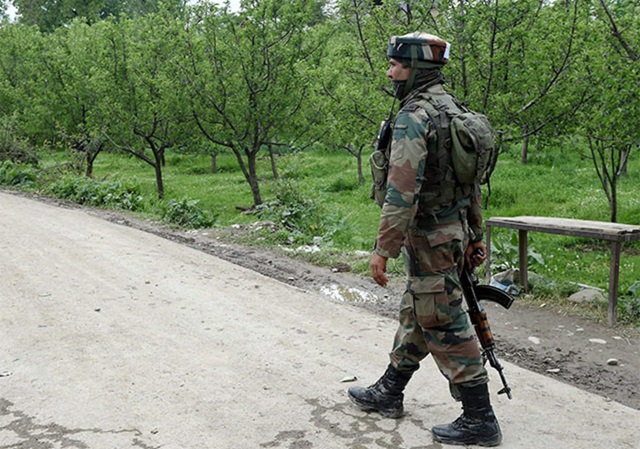
The intensifying military conflict between India and Pakistan has sent ripples through global aviation, forcing hundreds of flight cancellations and major airspace diversions that are impacting international travel across Europe, Asia, and the Middle East.
On the night of May 6, the Indian Ministry of Defence announced it had carried out precision strikes on nine alleged militant hideouts in Pakistan and Pakistan-administered Kashmir, in retaliation for a deadly April attack that killed 25 Indians and one Nepali national. In response, Pakistan’s Prime Minister Shehbaz Sharif condemned the move as a “cowardly” act and vowed to make India “suffer the consequences.”
Both sides have since exchanged heavy artillery fire across the Line of Control (LoC) in Kashmir, with at least 16 civilians and one Indian soldier reported killed in India’s Poonch district. Pakistan and India also claim to have shot down each other’s projectiles targeting military sites on May 8.
Aviation Turmoil and Airspace Closures
The conflict has triggered a wave of disruption in the aviation industry, with major air carriers suspending or rerouting flights to avoid conflict zones. On May 8 alone, Indian airlines canceled more than 430 flights — nearly 3% of their daily schedule — while Pakistan-based carriers canceled over 147 flights, amounting to 17% of scheduled operations, according to The Economic Times.
After closing its civilian airspace for 48 hours, Pakistan announced that its airspace and airports were fully operational again. However, uncertainty lingers as many international airlines continue to avoid the region.
Among those affected:
- Emirates, Etihad, Qatar Airways, and Flydubai suspended flights to Lahore, Islamabad, Sialkot, and Amritsar.
- KLM, Singapore Airlines, Thai Airways, and Korean Air rerouted services to steer clear of Pakistan’s airspace.
- United Airlines canceled its flights to Delhi, while American Airlines reported changes to its operational routes.
- British Airways confirmed ongoing assessments and potential adjustments to ensure passenger safety.
Flights to and from Europe have also experienced extended delays due to detours over the Arabian Sea and Central Asia, complicating crew schedules and passenger transfers.
Delhi Airport stated that its terminals and runways remain operational but acknowledged that evolving airspace restrictions are affecting some flights. “We are working closely with all stakeholders to minimize any disruptions,” the airport said.
Travel Warnings and Safety Advisories
The UK Foreign, Commonwealth & Development Office (FCDO) has issued updated travel advisories, urging British nationals to avoid all travel within 10km of the India-Pakistan border. The Wagah-Attari border crossing is currently closed.
For Pakistan, the FCDO warns against all but essential travel within five miles of the Indian border and advises against travel within 10 miles of the LoC in Pakistan-administered Kashmir. Additional restrictions apply near the Pakistan-Afghanistan border and other regions experiencing unrest, such as Khyber Pakhtunkhwa and Balochistan provinces.
The FCDO emphasized that British nationals should stay informed through official travel advice and follow local authority instructions. Approaching unmarked border areas, particularly in Gujarat and Rajasthan, could result in accidental illegal entry into Pakistan and potential arrest.
Passenger Rights and Refund Policies
Passengers whose travel plans have been disrupted by the conflict may be eligible for compensation or refunds, especially if their journey began in the UK or EU. Under European air passenger rights regulations, affected travelers are entitled to alternative flights, accommodation, meals, and in some cases, monetary compensation — unless the disruption is considered outside the airline’s control.
The UK Civil Aviation Authority advises passengers to first contact their airline or holiday provider. Travelers may also be eligible for a refund or rebooking, depending on the circumstances of the cancellation.
With tensions still escalating, the global aviation industry is bracing for further disruption. Passengers scheduled to fly to or over the South Asian region in the coming days are strongly advised to check with their airlines for the latest updates and consider contingency plans.









