


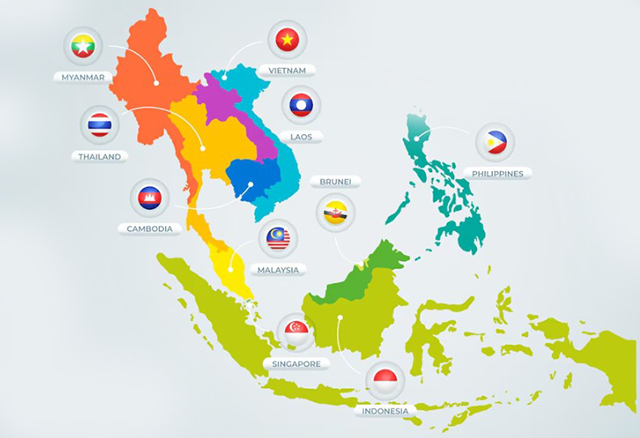
Southeast Asia is facing a rapidly escalating public health crisis, as heart disease has become the region’s leading cause of death following a staggering 148% rise in cases over the past three decades. The findings, published in The Lancet Public Health and reported by Bloomberg, highlight the scale and urgency of a cardiovascular epidemic sweeping across all 10 ASEAN member states.
The research, conducted by the Institute for Health Metrics and Evaluation (IHME) and the National University of Singapore (NUS), analyzed health data from 1990 to 2021. In 2021 alone, 37 million people across Southeast Asia were living with cardiovascular disease, which accounted for 1.7 million deaths—more than any other health condition. The study describes the trend as both a public health and economic threat, exacerbated by aging populations, inadequate healthcare systems, and a lack of coordinated policy response.
Lead author Marie Ng, affiliate professor at IHME and NUS, warned that without urgent intervention from national governments, these preventable conditions would continue to worsen. The study identifies key risk factors fueling the crisis, including high blood pressure, unhealthy diets, air pollution, high LDL cholesterol, and tobacco use. Experts say these issues are surging faster than healthcare systems can respond, especially in countries like Indonesia, Vietnam, and the Philippines, where access to preventative care remains limited.
Economists are also sounding the alarm, with internal forecasts suggesting that if left unchecked, cardiovascular disease and other non-communicable conditions could reduce GDP growth by up to 2.5% in some ASEAN nations by 2035.
The COVID-19 pandemic intensified the burden, with cardiovascular-related deaths exceeding projections, especially among older adults who lost access to routine care. Researchers also flagged emerging risks for future generations, citing evidence that children born to mothers infected with COVID during pregnancy may face increased vulnerability to heart disease later in life. Ng described the pandemic as a “stress test” that exposed deep flaws in regional healthcare infrastructure.
The study also highlights a parallel mental health crisis, reporting a 70% increase in major mental disorders since 1990. More than 80 million people across the region are now affected, with adolescents aged 15 to 19 showing the steepest rise. Nearly 11% of youths in this age group now suffer from mental health conditions, which experts warn could have long-lasting social and economic effects if not addressed early.
Despite signs of economic recovery following the pandemic, healthcare investment across ASEAN still lags behind global standards. Researchers argue that the region is running out of time to reverse these trends. They are calling for a coordinated response, including standardized cardiovascular screenings, public education campaigns, anti-smoking initiatives, and targeted efforts to improve urban air quality in major cities such as Jakarta, Bangkok, and Manila.
Ng emphasized that the consequences of inaction are no longer hypothetical. “We’re seeing a shift where the cost of inaction is no longer theoretical, it’s fiscal, structural, and generational,” she said in the interview with Bloomberg.
The study frames Southeast Asia’s cardiovascular crisis not only as a medical emergency, but also as a critical test of state capacity in managing demographic shifts, environmental stress, and long-term health system sustainability.









