A damning internal review has revealed that the chief executive of Heathrow Airport, Thomas Woldbye, was unreachable during a critical power outage in March, as his phone was on silent at his bedside. The disruption led to the unprecedented suspension of all airport operations and affected more than 270,000 passengers.
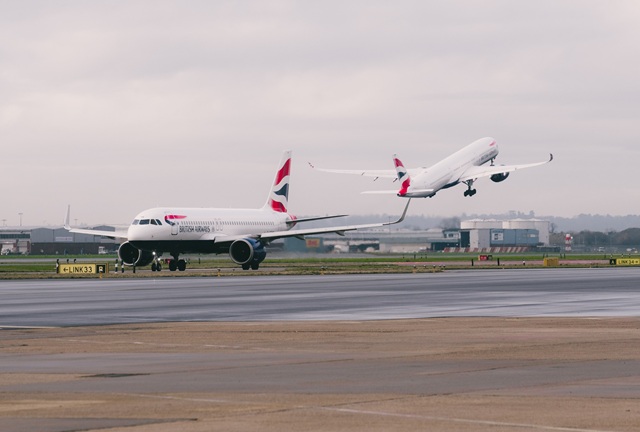
The incident occurred in the early hours of March 21 when a fire at a nearby electrical substation caused a major blackout across the airport, knocking out essential safety systems. With no way to restore critical infrastructure immediately, Heathrow halted all operations until late that evening.
According to the independent inquiry led by former transport secretary and Heathrow board member Ruth Kelly, multiple attempts were made to contact Woldbye, including emergency “F24” calls used to activate crisis response teams. However, Woldbye remained asleep and unaware that his phone had been placed in “do not disturb” mode.
With the CEO unreachable, Chief Operating Officer Javier Echave made the decisive call at 1:15 a.m. to suspend all flights. Operations only began to resume slowly after 4 p.m., with the airport fully reopening the following day.
“Mr. Woldbye first became aware of the incident at approximately 6:45 a.m. on March 21,” the review noted, by which time the disruption was already dominating headlines on major news outlets such as The Times and BBC News.
Woldbye has since expressed “deep regret at not being contactable,” though he and Echave agreed that the decision to ground flights would have remained unchanged, even had the CEO been involved.
The review found that the decision to suspend operations was justified, calling it “essential to protect the safety and security of people, as well as the integrity of the airport and the UK border.” However, it suggested the airport consider implementing a secondary method of contacting senior executives during emergencies.
Kelly said the airport acted correctly under “exceptionally difficult circumstances,” but acknowledged that some parts of Heathrow might have reopened a couple of hours earlier. She also emphasized the need for further investment in energy resilience to prevent future occurrences.
Critics, however, have questioned the adequacy of the review itself. A spokesperson for the Heathrow Reimagined campaign, backed by British Airways owner IAG and Virgin Atlantic, accused the inquiry of failing to confront “poor contingency planning and years of inefficient spending that left Heathrow vulnerable.”
Meanwhile, the National Energy System Operator (Neso) has launched a separate investigation into the cause of the substation fire, with a full report expected by the end of June.
In a public statement, Woldbye said: “The decision to close Heathrow was tough but necessary. We are truly sorry for the disrupted journeys and understand the impact this had on so many of our customers.”
As Heathrow faces increasing scrutiny, the March 21 incident serves as a stark reminder of the fragility of vital infrastructure — and the importance of being reachable when the unexpected happens.