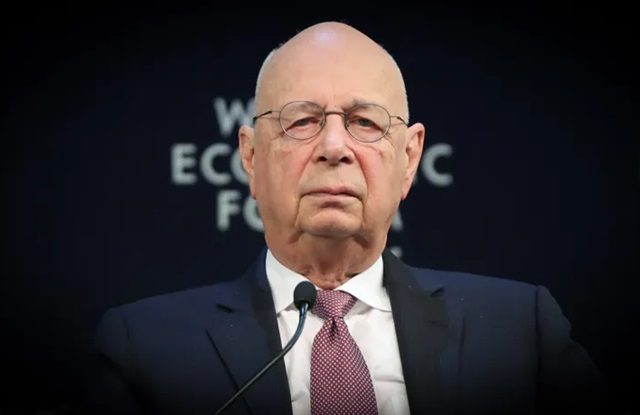
Klaus Schwab, the 87-year-old founder of the World Economic Forum (WEF), has filed a criminal complaint against unnamed whistleblowers whose allegations triggered his departure from the organisation he led for over five decades. The move, reported by the Financial Times, marks a significant escalation in Schwab’s effort to defend his legacy amid claims of financial misconduct, data manipulation, and mismanagement of harassment complaints at the WEF.
Schwab, who established the WEF in 1971 and shaped it into a premier global policy and business platform, formally stepped down last month as chair of the board of trustees. His resignation followed an anonymous letter accusing him of receiving improper financial benefits, interfering with research reports to favor governments, and mishandling sexual harassment issues within the Forum.
The whistleblowers reportedly warned that they would go public unless Schwab relinquished his leadership role. In response, Schwab has launched a legal counterattack, confirming to the Financial Times that his lawyers have filed a complaint for defamation and coercion with Geneva’s public prosecutor — both of which are criminal offences in Switzerland.
“We will have this public prosecutor investigation now, we don’t know how aggressive they will be,” Schwab said from his home in Geneva. “If they find a systemic attempt to undermine my reputation, this won’t be comfortable for the board.”
The Geneva public prosecutor has not yet commented on the matter. The WEF itself declined to weigh in on the legal action, describing it as a “private” matter between Schwab and the unidentified whistleblowers.
The allegations come during a critical transition period for the WEF, which has faced growing scrutiny over its internal culture and governance. This latest probe is the second in less than a year. A previous independent investigation, concluded in March, failed to substantiate employee claims of discrimination and harassment but identified unspecified management shortcomings.
Among the fresh claims are accusations that Schwab manipulated the Forum’s influential Global Competitiveness Report to benefit specific nations, used WEF resources for personal benefit, and urged staff to support his nomination for the Nobel Peace Prize. The letter also cited concerns about how women were treated within the organisation.
Schwab has denied all allegations but admitted the turmoil has prompted reflection, especially regarding financial arrangements involving himself and his wife. He stated that he had forgone a CHF 5 million bonus, had not adjusted his salary for inflation for many years, and emphasized that any personal expenses mistakenly covered by the WEF — such as hotel massages — were promptly reimbursed.
“For me it was like a family enterprise, and you don’t take money out of the family enterprise … Maybe that was a mistake,” Schwab said, acknowledging in hindsight that clearer compensation structures and encouraging his children to pursue independent careers might have been wiser.
Despite the reputational blow and emotional toll, Schwab said he harbors no regrets about stepping down, although he wished the transition had been more harmonious. “I am not afraid of the results” of the current investigation, he said. “But you feel like a defendant for nine months, and it’s not pleasant.”
Schwab now plans to focus on writing projects, including fast-tracked memoirs and a book on retirement and longevity. He also made clear that his time in Davos is over. “I would not go to the next meeting in Davos. It has to be the new team, which has to show it can run Davos. I am looking forward to being in the Seychelles or somewhere else.”