Microsoft is signaling a willingness to walk away from critical negotiations with OpenAI as the $300 billion artificial intelligence startup seeks to shift from a non-profit structure to a for-profit entity — a move central to its long-term funding and IPO ambitions.
According to a Financial Times report, the software giant has considered halting discussions if an agreement isn’t reached on key terms, including the size of Microsoft’s future equity stake. Despite having already invested over $13 billion into OpenAI, the two parties remain divided on the terms of their future relationship.
While both companies stressed they are continuing talks “in good faith” and meeting daily to strike a deal, insiders told the Financial Times that Microsoft could choose to rely solely on its existing commercial contract — which secures access to OpenAI’s technology through 2030 — if no favorable agreement is reached. Under current terms, Microsoft holds exclusive rights to resell OpenAI’s models and earns a 20% share of revenues up to $92 billion.
“We have a long-term, productive partnership that has delivered amazing AI tools for everyone,” said Microsoft and OpenAI in a joint statement. “Talks are ongoing and we are optimistic we will continue to build together for years to come.”
However, tensions have risen in recent months, particularly as OpenAI accelerates its push to restructure. The AI group must gain Microsoft’s approval for the conversion by the end of 2025 or risk losing billions in investment commitments — including from Japanese tech giant SoftBank, which could slash its $30 billion investment by a third if the transition is not completed on time.
Negotiations have centered around how much equity Microsoft should receive post-conversion, with estimates ranging between 20% and 49%. According to sources cited by the Financial Times, Microsoft is also pushing to retain favorable terms in the renegotiated agreement, including continued access to OpenAI’s models and intellectual property — particularly as the company races rivals like Google, Meta, and Anthropic in AI development.
The Wall Street Journal earlier this week reported that OpenAI had considered accusing Microsoft of anti-competitive behavior — a so-called “nuclear option” — as leverage during the talks. Some at OpenAI believe Microsoft is playing hardball, “holding out” to make the startup concede on revenue rights and product access.
One person close to Microsoft told the Financial Times, “The status quo is acceptable. Microsoft is happy with the current contract and prepared to run it through 2030.” Another added, “The market cares about how much revenue Microsoft is making — not about how much equity it owns in OpenAI.”
Microsoft has already begun diversifying away from OpenAI’s models, consistent with CEO Satya Nadella’s view that foundational models will become commoditized over time. In May, Microsoft began offering Elon Musk’s xAI model Grok through its Azure cloud service, and sources say it is exploring further partnerships in the broader AI ecosystem.
Several core provisions of the Microsoft-OpenAI agreement are under review, including Microsoft’s exclusive rights to sell OpenAI’s software via Azure, its right of first refusal on providing computing infrastructure, and a controversial clause granting pre-AGI (artificial general intelligence) access to OpenAI’s IP — a provision likely to be dropped, as previously reported by the Financial Times.
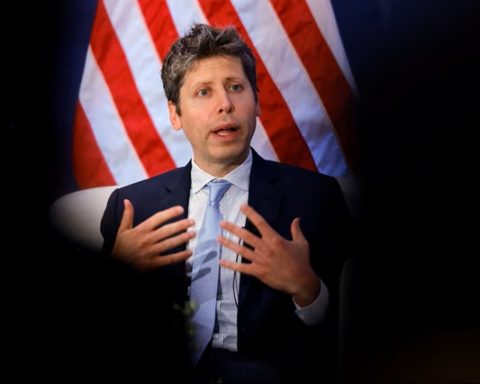
Meanwhile, OpenAI is under growing strain to meet skyrocketing demand. CEO Sam Altman and CFO Sarah Friar have raised concerns about the company’s limited compute capacity, as ChatGPT surges past 500 million weekly active users. Insiders describe a fraying relationship, with Microsoft executives frustrated by Altman’s escalating infrastructure demands.
Even if the two sides settle their differences, the restructuring must still clear legal hurdles, including approval from attorneys-general in Delaware and California, and a legal challenge from xAI founder Elon Musk — backed by former OpenAI employees.
For OpenAI, failure to reach a deal with Microsoft could trigger a financial domino effect. Past investors have included stipulations that convert their equity to debt if the company fails to finalize its for-profit transition. Although some insiders are confident investor support would hold despite delays, a failed conversion would raise questions about OpenAI’s financial future and long-term independence.
As one Silicon Valley veteran told the Financial Times, “Microsoft knows this is not their problem to solve — technically, it’s OpenAI’s problem just to keep the negotiation alive.”