


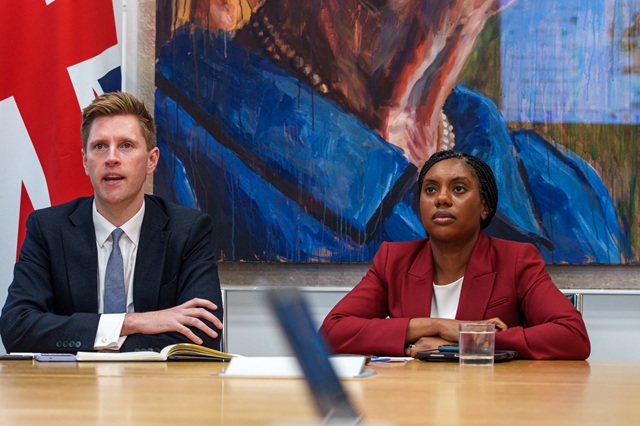
The Conservative Party has unveiled a bold proposal to bar foreign nationals from claiming key disability benefits, in a move aimed at curbing Britain’s rising welfare bill. The plan, which would restrict access to Personal Independence Payments (PIPs) and health-related top-ups to Universal Credit, is expected to be a central point of attack in the Tories’ clash with Labour and Reform over welfare policy.
Under the proposals, only British citizens—and EU nationals with settled status under the Brexit agreement—would be eligible for PIP and Universal Credit health supplements. Currently, foreign nationals can claim PIP if they have lived in the UK for two of the past three years.
The announcement comes amid growing pressure to reduce welfare spending, which is projected to soar from £39 billion in 2023–24 to £58 billion by 2028–29, according to the Office for Budget Responsibility. Newly released figures show that benefit claims from households with at least one foreign national have nearly doubled to almost £1 billion per month.
Kemi Badenoch, Conservative Party leader, is expected to formally unveil the plan during a speech on Thursday. She is set to present the reforms as a defining contrast between the Conservatives and Labour, warning that only the Tories are prepared to take “tough decisions” to bring public spending under control.
“The Conservatives are now the only party committed to serious welfare reform,” Badenoch is expected to declare. “We are the only party that is prepared to take the tough decisions to get spending under control.”
The proposed reforms are part of three amendments the Conservatives plan to table to Labour’s welfare bill due before Parliament on Wednesday. In addition to limiting access based on citizenship, the Tories are also calling for all PIP assessments to be conducted face-to-face, rather than remotely, amid concerns that phone interviews are more vulnerable to abuse. A third amendment would tighten criteria for mental health claims, barring conditions such as mild anxiety, depression, and ADHD from being considered “severe.”
This comes as analysis shows that a record 531 people per day were awarded PIP for mental health conditions last year, with some claims reportedly approved for issues as minor as acne and writer’s cramp.
The plan has provoked strong criticism from Labour. A party spokesperson dismissed the proposals as “uncosted and unserious,” branding Badenoch’s push a “desperate attempt to stay relevant.”
“They had 14 years to reform welfare and failed,” the spokesperson said. “This Labour Government is already delivering more face-to-face assessments, and we are addressing the disincentives to work created by Conservative policies.”
Labour has faced its own turmoil over welfare in recent days. Sir Keir Starmer was forced to abandon key benefits reforms after facing a large rebellion from within his party, blowing a £5 billion hole in the national finances. Shadow Chancellor Rachel Reeves has warned that tax increases may now be necessary to fill the gap.
Helen Whately, the Conservative shadow work and pensions secretary, said Labour’s failure to commit to serious welfare reform would mean higher taxes for British families.
“We’ve told them how to fix it: stop signing people off sick for mental health problems like anxiety, bring back face-to-face assessments, and only give sickness benefits to British citizens,” she said.
The debate over welfare reform is likely to intensify in the coming days, with pressure mounting on all parties to clarify their positions ahead of the vote on Labour’s welfare bill. Reform UK has also signaled it may support efforts to scrap the two-child benefit cap—a move that would cost an estimated £3.4 billion annually.
With welfare spending now at the center of political and fiscal debate, Badenoch is seeking to position the Conservatives as the only party willing to make the tough choices.









