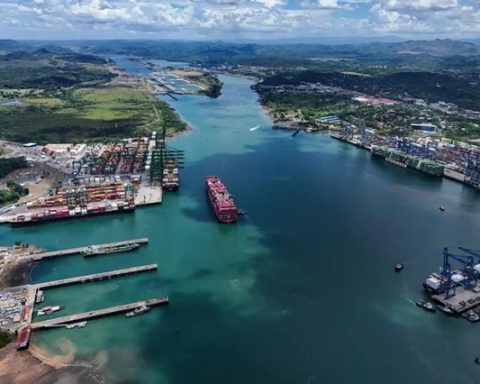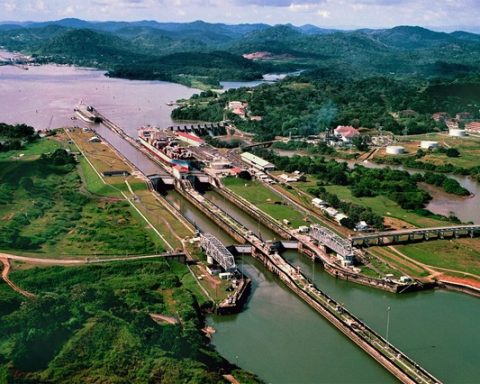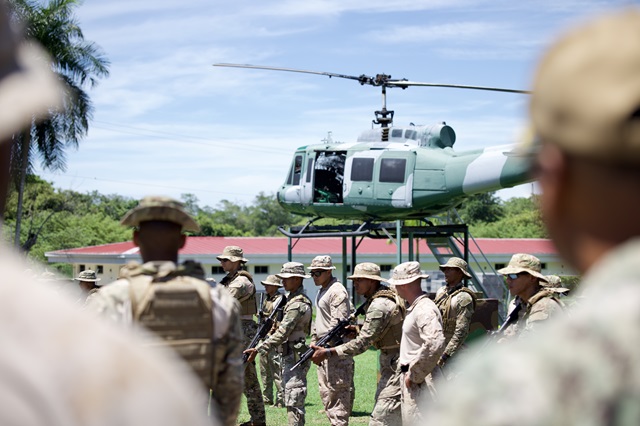
The United States military has launched joint exercises with Panamanian forces to bolster security around the Panama Canal, a strategic global trade route that has recently drawn heightened scrutiny over alleged Chinese influence. The drills, conducted in collaboration with Panama’s National Aeronaval Service (SENAN), began on Sunday with the arrival of three US Army helicopters — two UH-60 Black Hawks and a CH-47 Chinook — at the Panama-Pacific Airport, a site that once housed the former US Howard Air Force Base.
These operations are part of a broader bilateral agreement that permits US forces to use Panama’s air and naval infrastructure for training purposes, without establishing permanent bases. While these exercises have taken place for over two decades, the latest iteration comes amid political tension and public protest within Panama, triggered in part by recent remarks and policy pressure from former US President Donald Trump.
Trump has repeatedly accused China of exerting undue control over the canal, a vital artery that facilitates roughly 40 percent of US container traffic and five percent of global trade. In recent months, he has called for unrestricted American commercial and military access to the canal, claiming it would not exist without US support. His statements have reignited nationalist sentiment in Panama and stirred debate over the country’s sovereignty.
Panamanian President Jose Raul Mulino has dismissed Trump’s claims, reaffirming that the Panama Canal is governed by the Panama Canal Authority, an independent and autonomous body. He emphasized that tolls and transit policies are regulated domestically and not subject to foreign control. Despite the diplomatic assurances, the presence of US forces remains a sensitive topic in the region due to the long history of American military presence before the full transfer of canal authority to Panama in 1999.
SENAN officials noted that the joint maneuvers, which are scheduled to continue through Friday, are designed to enhance regional security coordination without infringing on Panama’s sovereignty. Subcommissioner Michael Palacios stated that the exercises will help Panamanian forces — and those of other regional partners — respond effectively to any threats against the canal’s operation and integrity.
While the official stance highlights cooperation and preparedness, the drills also underscore the geopolitical importance of the canal and the ongoing tug-of-war over influence in Latin America, particularly as global powers vie for strategic positioning in critical infrastructure zones.