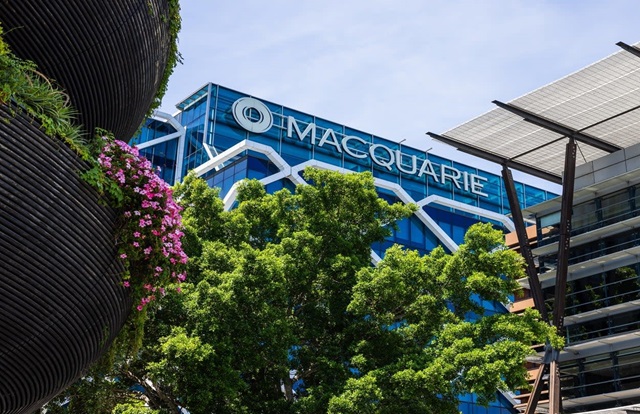
Macquarie Group, the Australian investment bank famously dubbed the “millionaires factory,” is facing mounting scrutiny over its executive pay policies after more than 25% of shareholders voted against its latest remuneration report, triggering a formal governance warning under Australian corporate law.
As reported by the Financial Times, the shareholder backlash occurred during Macquarie’s annual general meeting on Thursday, with the vote crossing the 25% threshold required to constitute a “first strike” against the board’s pay practices. If a second strike occurs at next year’s AGM, it could lead to a spill vote that might dissolve the board entirely.
The vote reflects growing investor frustration with Macquarie’s generous executive payouts, particularly in light of regulatory investigations and lawsuits that have plagued the bank over the past year. Critics argue that senior leadership is being excessively rewarded despite governance failings and repeated penalties from both Australian and international regulators.
Macquarie’s executive pay practices came under fire after proxy advisers warned that the company’s multi-million-dollar bonuses were out of sync with performance and accountability. Notably, Nick O’Kane, the bank’s former head of commodities, received A$58 million (US$38 million) in 2023—surpassing the annual compensation of Wall Street titans like JPMorgan’s Jamie Dimon and Citigroup’s Jane Fraser.
Current CEO Shemara Wikramanayake earned A$24 million in the year to March, a slight dip from the previous year, though total compensation for Macquarie’s top nine executives still approached A$100 million.
The bank’s stock dropped 5% on Thursday following a weaker-than-expected Q1 update and the surprise resignation of CFO Alex Harvey, who had been widely viewed as a possible successor to Wikramanayake.
Facing shareholder unrest, Wikramanayake defended the remuneration model, telling investors she had met with large stakeholders to assess whether there was a “fundamental issue” with a pay structure that, in her words, had delivered shareholder value for over five decades.
Glenn Stevens, Macquarie’s chair and former governor of the Reserve Bank of Australia, acknowledged investor discontent and pledged to review executive compensation in light of a lawsuit filed in May by the Australian Securities and Investments Commission (Asic). The suit, which targets Macquarie’s brokerage arm, accuses the company of systematically misreporting short-selling trade volumes over a 14-year span—marking the fourth legal action by Asic in a year.
Macquarie was also fined $16 million by UK regulators in 2024 after one of its traders falsified more than 400 trades to conceal losses—further fueling concerns about risk controls and internal oversight.
Retail investors at the AGM were vocal in their criticism. One described it as “impossible to support” the current pay model while the company faces allegations of systemic and misleading conduct. Another pointed to “paltry” consequences for executives in light of the fines and governance failures.
Despite the turmoil, Stevens tried to project stability, saying Macquarie has a “very strong bench” of internal candidates prepared to step into leadership roles when the time comes. He added that CEO succession is not currently on the agenda, though speculation has been swirling over who might eventually succeed Wikramanayake, who became CEO in 2018.
The first strike against Macquarie’s board signals a pivotal moment for Australia’s most global-facing investment bank, which must now walk a fine line between retaining top talent and rebuilding trust with increasingly restless shareholders.