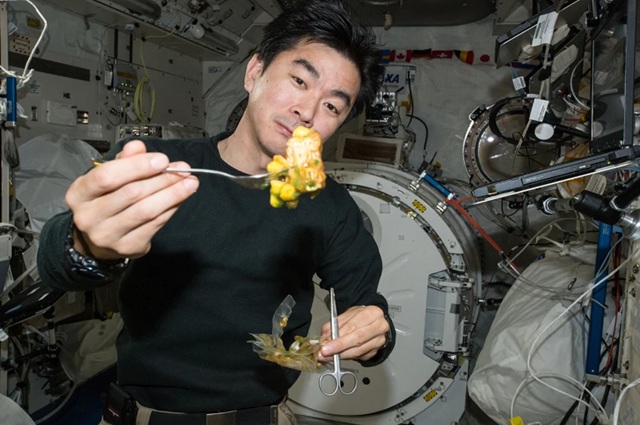
As the world’s leading space agencies develop plans for lunar bases, one question looms large: how to feed astronauts on the Moon sustainably and safely. But according to a recent report published in Nature, the answers to this challenge may also provide critical solutions for people facing food insecurity on Earth — particularly in disaster-stricken or aging populations.
From space missions to earthquake zones, the core problem is the same: limited access to fresh food, disrupted supply chains, and the need for nutritious, shelf-stable meals. Without healthy diets, astronauts risk malnutrition and muscle atrophy — effects mirrored in the elderly and bedridden. Climate change, too, is threatening agriculture systems worldwide, requiring innovative solutions that space science may help deliver.
Common Ground: Space and Disaster Food Systems
Japan is at the forefront of translating space food innovations into real-world disaster relief. Drawing lessons from the Japan Aerospace Exploration Agency (JAXA), the Japan Disaster Food Society established a Disaster Food Certification System in 2015. By 2022, a cross-certification process allowed space-qualified foods to be repurposed for emergency response, reducing development redundancies and improving readiness.
Foods such as pre-cooked rice, dried noodles, and canned protein — originally intended for zero-gravity missions — are now stockpiled for earthquakes and floods. These meals are designed to be durable, require minimal preparation, and stay safe without refrigeration, making them ideal for both outer space and crisis zones on Earth.
Nutritional Modeling and Essential Crops
To ensure astronauts — and disaster survivors — get the nutrition they need, JAXA’s Lunar Food System Working Group is analyzing whether eight crops (rice, potatoes, sweet potatoes, soya beans, tomatoes, cucumbers, lettuce, and strawberries) can deliver key nutrients like protein, energy, and essential vitamins.
Simulations, cultivation studies, and nutritional modeling aim to determine how much of a person’s daily requirements these crops can meet, and where supplements might be necessary. Antioxidants are of particular interest, with research from French, German, and Canadian space agencies evaluating their potential to prevent muscle wasting in both astronauts and immobile patients.
Protein for the Future: From Soya to Crickets
With global protein demand projected to soar as the population approaches 9 billion by 2050, alternative protein sources are critical. Soya beans, already a staple in Japan, are being tested in space-compatible systems using LED lighting and nutrient mists. JAXA is also exploring cultured meat and insect farming — including crickets — as protein-rich, resource-efficient options.
Cultured meat may help close nutritional gaps, particularly in branched-chain amino acids vital for muscle maintenance. However, current technologies face challenges in scalability and cost. Insects, such as crickets, offer high yields with low resource input, although allergies and consumer hesitation remain barriers.
Closed-Loop Food Systems: Recycling in Orbit and on Earth
Advanced food systems being designed for the Moon could transform food resilience on Earth. Space Foodsphere, a Japanese public–private–academic consortium, is developing closed-loop systems that recycle water, organic waste, and air while producing crops, fish, and insects.
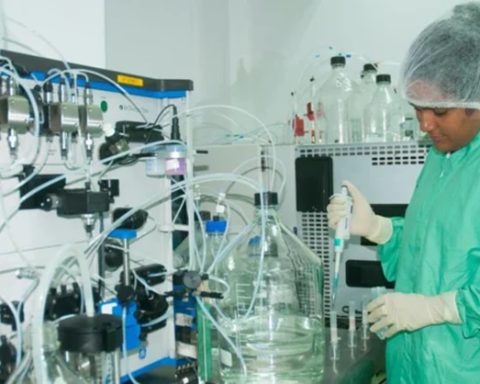
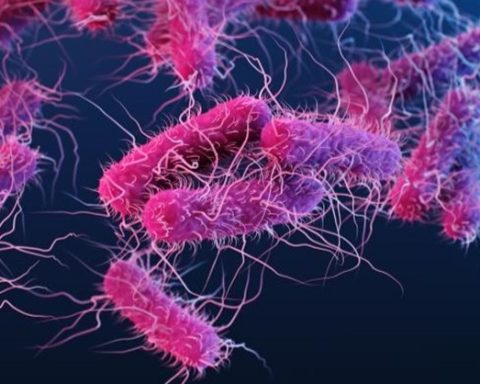
Such systems — ideal for microgravity and disaster-prone regions — aim to integrate diverse food sources, including cultured meat and cyanobacteria, while maintaining microbial safety. Managing contamination, nutrient flows, and compact waste systems remains a technical challenge, especially under space conditions where fluid behavior and microbial growth differ significantly.
Toward Global Standards
Efforts are now underway to establish international standards for emergency and disaster food. By harmonizing regulations and protocols across borders, this initiative could streamline humanitarian responses and encourage adoption of space-proven technologies for Earth-bound crises.
As Nature highlights, these converging lines of research — from nutrient modeling to protein innovation and closed-loop ecosystems — are redefining how we think about food security. Whether on the Moon, in a hospital, or in the aftermath of a natural disaster, the future of nutrition may be shaped by the technologies we develop for space.