A deadly shooting attack near a bus stop in Jerusalem on Monday left six Israelis dead and at least two critically wounded, with dozens more injured. The attack, carried out by two gunmen, has further intensified tensions in the region as Israeli leaders link the violence to broader security and political disputes.
The victims have been identified as Mordechai “Mark” Steintzag (79), Sarah Mendelson (60), Israel Metzner (28), Levi Itzhak Pash (57), Ya’akov Pinto (25), and Yosef David (43). The victims came from diverse backgrounds — educators, religious scholars, and community leaders — many of whom were on their way to work or study when the attackers opened fire. Their deaths have left families and communities in shock and mourning.
Netanyahu’s Visit: Linking the Attack to Broader Judicial and Security Concerns
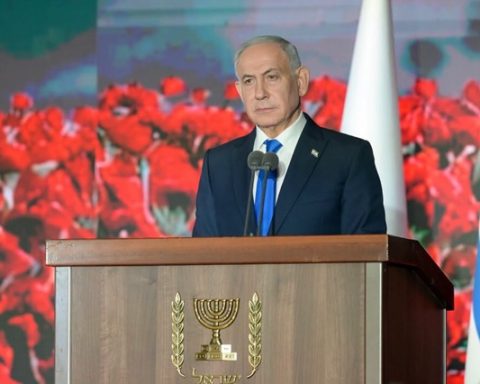
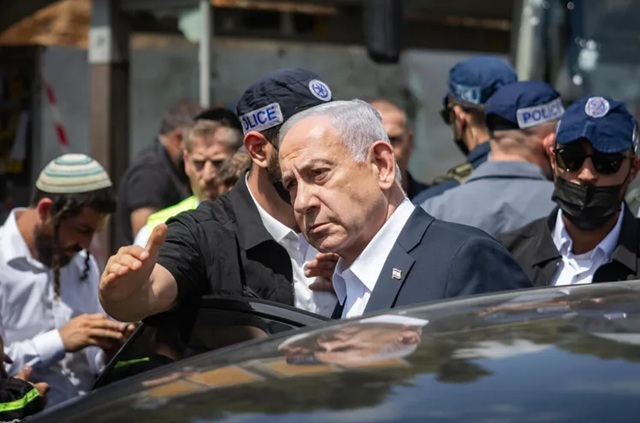
Prime Minister Benjamin Netanyahu visited the scene shortly after the attack, accompanied by National Security Minister Itamar Ben-Gvir. Addressing reporters, Netanyahu sharply criticized Israel’s High Court of Justice, which on Sunday ruled that the prison service must provide adequate food and living conditions to Palestinian security prisoners.
“The courts should remember they are also part of this war,” Netanyahu said. “The government doesn’t make it easy on our enemies, and you should act that way too.”
Ben-Gvir echoed these sentiments, blaming the High Court’s ruling for sending a message of leniency to terrorists. “Coming in and interfering with the menu of the Hamas Nukhba terrorists… will not and cannot happen. Not on our watch,” he said.
The High Court responded, calling Ben-Gvir’s remarks “regrettable,” particularly in light of the attack’s gravity.
Security Investigation Points to West Bank Origins
Israeli security officials suspect the attackers were Palestinians from villages near Ramallah in the West Bank. The Shin Bet has arrested a suspect believed to have driven the gunmen to the scene — a Palestinian from East Jerusalem with a history of facilitating illegal crossings.
Prime Minister Netanyahu praised the soldier who neutralized the attackers, along with two civilians who assisted him. He emphasized unity in the face of ongoing threats, particularly referencing divisions within ultra-Orthodox communities over military enlistment.
International Condemnation and Regional Fallout
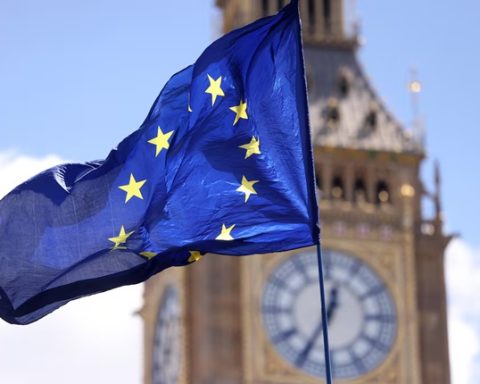
The attack drew swift condemnation from global leaders and organizations. The United Arab Emirates, the United Kingdom, France, and the EU all denounced the violence. The UAE’s Ministry of Foreign Affairs described the attack as a terrorist act aimed at undermining regional stability, while offering condolences and support to victims’ families.
Israeli Foreign Minister Gideon Sa’ar linked the incident to broader political efforts to establish a Palestinian state, warning that initiatives seen as rewarding terrorism could further destabilize the region.
Palestinian Authority President Mahmoud Abbas also condemned the attack but called for an end to Israel’s occupation and what he described as “acts of genocide” in Gaza, alongside Israeli settler violence in the West Bank.
Remembering the Victims
The six victims represent a cross-section of Israeli society — from religious scholars to community organizers. Mordechai “Mark” Steintzag, a retired cardiologist and baker, was remembered for his generosity and community spirit. Sarah Mendelson, a longtime youth movement worker, was praised for her warmth and dedication. Israel Metzner and Yosef David were young scholars dedicated to religious studies, while Levi Itzhak Pash and Ya’akov Pinto, recent immigrants and educators, were remembered for their kindness and commitment to communal life.
President Isaac Herzog called the attack a reminder that “we are fighting absolute evil,” urging global recognition of the threat posed by terror. As Israel mourns its dead, security officials warn that further attacks are possible, underscoring the fragile balance between justice, security, and political conflict.