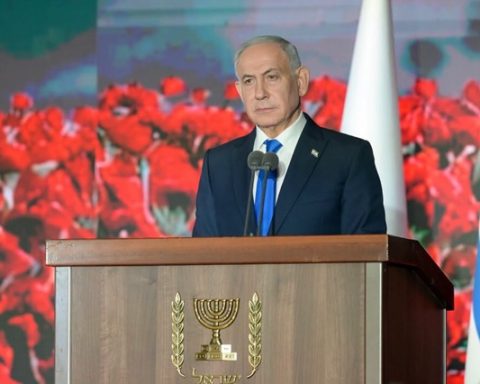
Israeli Prime Minister Benjamin Netanyahu acknowledged on Monday that Israel is experiencing a “type of isolation” nearly two years into its ongoing conflict in Gaza, urging the country to adapt through self-reliance and domestic military production.
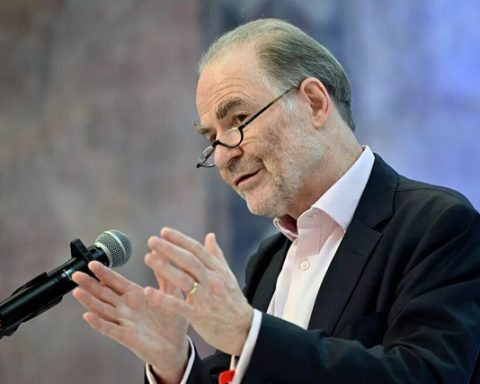
Speaking at the “Fifty States – One Israel” economic conference, hosted by the Finance Ministry’s Accountant General’s Department and attended by the largest delegation of U.S. lawmakers ever to visit Israel, Netanyahu said the country must adjust to its increasingly isolated position on the international stage.
“Even when you bring down a major power, other forces rise to the surface,” Netanyahu said, warning of new geopolitical challenges beyond military threats from Iran. He stressed that Israel must develop domestic weapons industries and reduce reliance on foreign nations.
Causes of Israel’s Isolation
Netanyahu attributed the isolation to two main factors. First, he pointed to Western Europe’s growing Muslim minorities, describing them as “vocal and combative” groups that influence governments. Second, he criticized countries like Qatar and China for shaping global opinion through social media investments.
“It’s a type of isolation,” Netanyahu said. “Can we get out of this? Yes – I am a devotee of the free market, but we’ll need some signs of an autarky,” referring to a partially self-sufficient economy.
He likened Israel’s future strategy to Sparta, emphasizing the need to combine economic and military strength to defend itself. “Over the next few years, we’ll have no other choice. We’ll have to defend ourselves and know how to attack our enemies,” Netanyahu said, calling for streamlined bureaucracy and faster decision-making to match the speed of global developments.
Israel vs. the Social Media Siege
Later addressing U.S. lawmakers at the Foreign Ministry, Netanyahu clarified that Israel has broken free from an Iranian siege but now faces a coordinated “social media siege,” led primarily by Qatar and China. He said Western Europe is pressured by its Muslim populations to join this boycott of Israel and that Israel must invest heavily to counter these efforts.
Gaza and Iran
Netanyahu also addressed military operations in Gaza, signaling an imminent IDF takeover of Gaza City. He justified strikes on Iran, claiming they thwarted ballistic missile threats to both Israel and the U.S. “And with us, dies the whole story, the three and a half millennia story of the Jewish people,” he told American lawmakers.
He reaffirmed his commitment to freeing all hostages, eliminating Hamas, and ensuring Israel’s security, warning that failure to defeat Hamas would allow the group to regroup, rearm, and continue attacks.
Political Reactions
Netanyahu’s remarks drew sharp criticism from political opponents. Opposition Leader Yair Lapid called the statement on isolation “crazy” and blamed Netanyahu’s policies for making Israel a “third-world country.” Former Prime Minister Ehud Barak condemned the speech as “off the rails,” warning that Netanyahu’s vision of a “super Sparta” could endanger Israel economically, politically, and militarily.