Editorial
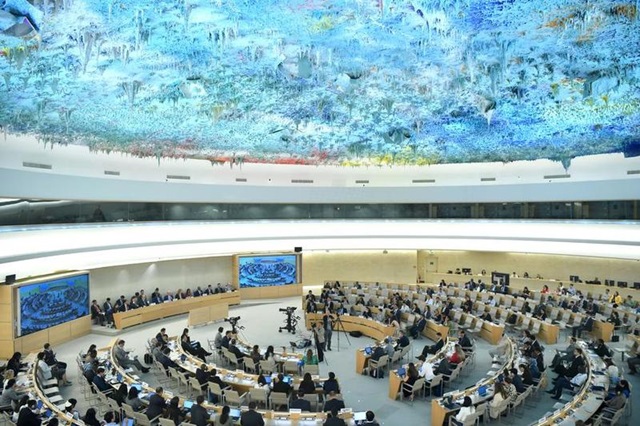
The latest UN Human Rights Council resolution in Geneva is a blunt reminder that Sri Lanka’s foreign policy is in complete collapse. Passed without a single vote against and co-sponsored by more than two dozen powerful nations, it extends international oversight over the country until 2027. That no nation opposed it is damning: our sovereignty is being eroded, and Colombo’s diplomatic machinery has proven incapable of defending the state.
For over a decade, Sri Lanka has been on the defensive, responding to allegations without rigorous evidence-based rebuttals. Verified, well-documented, and detailed analyses have repeatedly exposed the methodological flaws in previous UN reports. Yet, our representatives allowed unverified claims—exaggerated civilian casualty figures, anonymous testimony, and selective narratives—to harden into “international truths.” The numbers themselves tell the story: civilian deaths during the final war year likely number around 3,000, not tens of thousands as repeated in UN reports.
The failure is structural as well as tactical. Our political authority, embassies, and missions, meant to defend national interests, have functioned as ceremonial outposts. Many personnel are technically qualified on paper but lack the ability to execute strategic diplomacy. They know how to pass exams, maintain certifications, and circulate petitions or gossip against colleagues—but they cannot defend Sri Lanka’s facts or counter global narratives. This is not merely incompetence; it is a system that rewards formality over function, loyalty over skill, and appearances over results. The result: Sri Lanka is effectively a “bygone country” in the arena of international politics.
The pressure from Geneva is not just bureaucratic—it is strategic. The resolution is part of a deliberate trajectory aimed at forcing Sri Lanka to accept an external tribunal if it refuses to sign the Rome Statute, the fundamental gateway to the International Criminal Court. Every “constructive engagement,” every call for repeal or amendment of domestic laws, is a step toward ceding judicial sovereignty to foreign powers.
The moral and intellectual failure is stark. Verified, well-documented evidence demonstrates that civilian casualties were neither deliberate nor disproportionate. The armed forces acted decisively to end a ruthless insurgency and save countless lives. Yet the international narrative, left uncontested by Colombo, continues to cast the state as the principal culprit. Our diplomats have been silent, reactive, and strategically ineffective.
The solution is urgent. Sri Lanka requires a professional, empowered, and strategically trained foreign service capable of defending facts, shaping narratives, and safeguarding sovereignty. Diplomatic posts must be stripped of ceremonial sinecures and staffed with officers who understand international law, negotiation, and strategic communication. Until this transformation occurs, each new UN resolution will continue to erode national dignity, sovereignty, and morale.
The soldiers who crushed a terrorism reminiscent of Nazi brutality deserve more than hollow praise; they deserve a state that can defend their honour on the global stage. The people deserve a government that does not gamble the country’s sovereignty on the roulette of Geneva diplomacy. Every day of delay brings Sri Lanka closer to being forced into foreign-imposed legal frameworks—an outcome that should have been preventable but remains inevitable under current mismanagement.