Petrobras, Brazil’s majority state-owned oil company, has received permission to drill an exploratory well 100 miles offshore from the ancestral lands of the Karipuna people in Amapa state, a move that has ignited protests from environmentalists and indigenous groups. The Brazilian environmental agency, Ibama, granted the license on October 20, reversing a previous decision made two years ago when concerns over biodiversity and the rights of local communities blocked drilling.
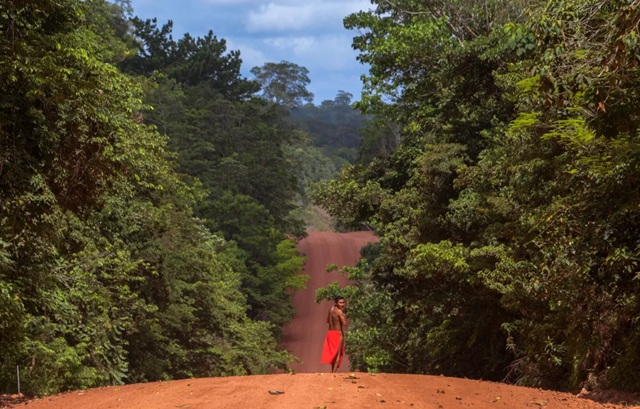
As reported by Times UK, the region is ecologically invaluable, featuring one of the world’s richest marine ecosystems and a network of mangroves where the Amazon meets the Atlantic. Luene Karipuna, an indigenous resident, described the area as teeming with wildlife, noting the abundant fish and nesting seabirds. She also highlighted the Amazon coral reef, discovered in 2016, which remains largely unexplored and may harbor species of scientific significance.
The timing of the license has drawn criticism, as Brazil is preparing to host the annual United Nations climate conference, Cop30, in Belem in early November. Environmental advocates argue that the offshore drilling decision undermines the country’s credibility on the global stage. Suely Araujo, a senior public policy specialist at the Climate Observatory, told Times UK, “This is a historic mistake. How can our diplomats push for the shift away from fossil fuels when the country is at the same time intensifying fossil fuel exploration and production?”
President Luiz Inácio Lula da Silva defended the decision, asserting that oil revenues will be used to fund Brazil’s energy transition. “Who is currently in a position to free themselves from fossil fuels? No one,” he said, adding that the nation intends to leverage its growing oil wealth to consolidate the global energy transition. Energy Minister Alexandre Silveira echoed the sentiment, stating, “As long as the world demands oil, someone will supply it.”
Local activists, however, remain deeply skeptical. Ariete Pastana and Odenira Correa Dias, both from traditional Amazonian communities, emphasized the disconnect between government rhetoric and on-the-ground reality. They cited past projects, such as the Tucurui hydroelectric dam, which caused widespread environmental damage and displaced indigenous communities without adequate compensation, as evidence of a pattern of exploitation.
Public prosecutor Rafael Martins da Silva described the fight against Petrobras and other oil companies as a “David versus Goliath challenge,” warning that granting a single license could open the floodgates to further industrial encroachment on the Amazon. Karipuna herself plans to travel 39 hours by river to attend Cop30 and advocate for the protection of her ancestral territory, acknowledging the uphill battle ahead. “Most often, the tide is stronger than us,” she said, reflecting the enormity of the challenge faced by local communities.
The license for Block 59 highlights the tension between Brazil’s economic ambitions and its environmental responsibilities, a debate that is now set to play out on the world stage during Cop30. Indigenous groups, environmentalists, and scientists are calling for urgent reconsideration of policies that could irreversibly impact one of the planet’s most biodiverse regions.