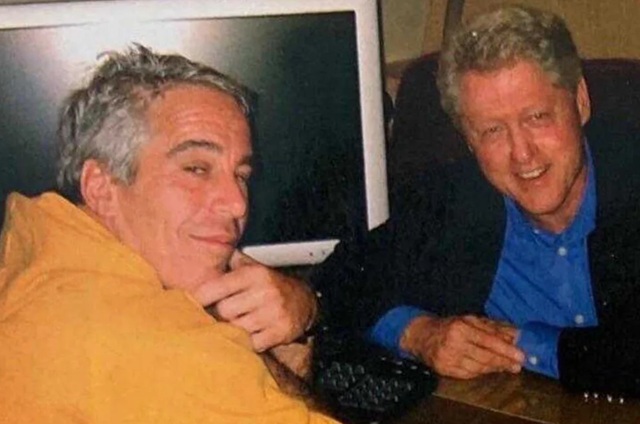
The ongoing debate over the release of Jeffrey Epstein’s files should not distract from the deeper, pervasive problem of child sexual abuse, according to human rights lawyer Eric Lewis, writing in the Independent UK. Lewis emphasizes that while public attention has focused on high-profile figures allegedly connected to Epstein, the broader issue is about the systematic exploitation of minors by adults in positions of authority and power. He warns that political point-scoring and attempts to downplay the severity of abuse based on the victim’s age or gender obscure the reality faced by countless children every day.
From the left, commentators suggest that former President Donald Trump’s efforts to block the release of Epstein-related documents indicate he must have something significant to hide. While Lewis acknowledges that questions around Trump and Epstein may be relevant, he stresses that the focus should not end there. From the right, claims have emerged that Epstein was not guilty of “real sexual abuse” because the victims were not pre-pubescent, a sentiment echoed by former Fox News host Megyn Kelly. Lewis strongly disputes such arguments, highlighting that pedophilia and sexual abuse are defined by the involvement of children below the age of consent, regardless of whether they have reached puberty. Similar assertions from groups like the Catholic League, which try to classify abuse of adolescents as “homosexual activity” rather than pedophilia, are also dismissed as misleading and irrelevant.
Lewis draws on his personal experience to illustrate the prevalence of abuse and the failures of adults to protect children. He recounts playing on a football team coached by a predatory pedophile, where teachers, administrators, and parents were aware of the misconduct but largely ignored it unless it involved their own children. He notes that many victims, both boys and girls, remained silent due to fear, shame, or threats, often carrying the trauma into adulthood. Only recent legal reforms, such as Child Victims Act statutes, have provided opportunities for older survivors to pursue justice. Lewis currently represents men in their 60s and women who experienced abuse decades ago, underscoring that these cases are not isolated incidents but part of a larger, persistent problem.
The Epstein case, while involving wealthy and influential perpetrators, mirrors broader patterns of abuse. Lewis emphasizes that sexual exploitation is rarely confined to high society; most cases occur in homes, schools, and religious institutions, where children are dependent on adults for care and guidance. He criticizes public narratives that attempt to categorize abuse or assign degrees of culpability based on the victim’s age or gender, arguing that all sexual abuse of minors is equally damaging and legally defined as rape.
Highlighting the human impact, Lewis notes that survivors often suffer lifelong consequences, including mental health struggles, broken relationships, and, in some cases, suicide. He recounts incidents from his own school where multiple victims of predatory coaches were driven to take their own lives, and others lived with trauma unacknowledged by families and institutions. Lewis asserts that adults who fail to act on suspicions of abuse, or who prioritize convenience or reputation over child safety, are morally culpable in perpetuating harm.
While the Epstein scandal has drawn attention because of its high-profile victims and perpetrators, Lewis stresses that the lessons extend far beyond Palm Beach mansions and private islands. It is a stark reminder that abuse is often hidden in plain sight, and that vigilance, empathy, and legal protections are crucial to safeguarding children in all walks of life. In his view, political debates and sensationalized media coverage should never overshadow the real priority: the safety and wellbeing of minors who are at risk of exploitation.
Lewis concludes by calling for society to confront child sexual abuse with honesty and urgency, without excuses or gradations. The Epstein case serves as both a warning and a catalyst to recognize that abuse is widespread, often enabled by adults in authority, and universally harmful. His commentary in Independent UK underscores that preventing child sexual abuse requires sustained attention, institutional accountability, and a commitment to protecting the most vulnerable members of society.