Belgium has warned it could take legal action if the European Union overrides its national veto to seize frozen Russian assets to fund Ukraine, intensifying diplomatic tensions ahead of a planned EU summit, according to sources familiar with the discussions. Belgian Prime Minister Bart De Wever has demanded additional guarantees and a cash-back mechanism to shield Belgium from potential financial liabilities if €185 billion in Russian assets held at Euroclear in Brussels are transferred.
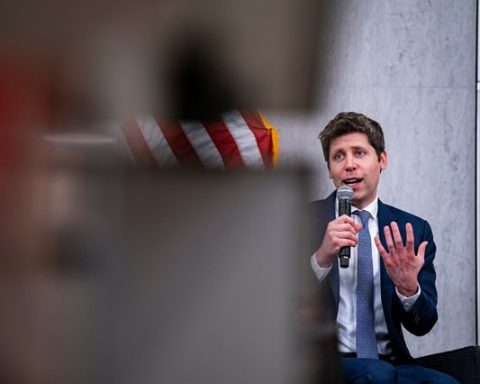
“We are negotiating with the Commission to see if the proposal can be brought into line with the minimum conditions Belgium has set, which are generally recognised as rational, reasonable, and justified,” De Wever told Belgian MPs on Wednesday. He did not rule out legal challenges either by his government or Euroclear should the EU invoke emergency powers to bypass national vetoes, typically reserved for areas like foreign policy, defence, and taxation.
De Wever criticized the European Commission’s plan as legally questionable, noting that the treaty article under consideration is intended for a state of emergency within the EU. “There are many legitimate objections regarding the legality of such an operation. This article is about a state of emergency. Where is the emergency? There is an emergency in Ukraine. But Ukraine is not in the EU,” he said.
Belgium is insisting on three conditions before agreeing to the asset seizure. First, that all €210 billion of Russian assets held across the EU, not just the €185 billion in Belgium, be included. Second, that financial guarantees cover both the value of the assets and any potential damages awarded to Russia in international tribunals. Third, that the EU provides a liquidity mechanism to ensure Euroclear can immediately reimburse Russia if required.
De Wever argued that alternative ways exist to support Ukraine’s budget over the next two years, though such proposals require unanimity among the EU’s 27 member states—a threshold blocked by Hungary and Slovakia. “There are definitely better solutions than stealing the Russian central bank’s money. This is a drastic step. I think it’s very unwise and ill-considered,” he said.
The dispute comes as the EU races to finalize plans for using immobilized Russian funds, while President Trump has floated ideas for the assets as part of his preferred peace plan for Ukraine. With a summit deadline approaching, intensive negotiations between European ambassadors are ongoing, but Belgium’s stance could prove a major obstacle to a unified EU approach.