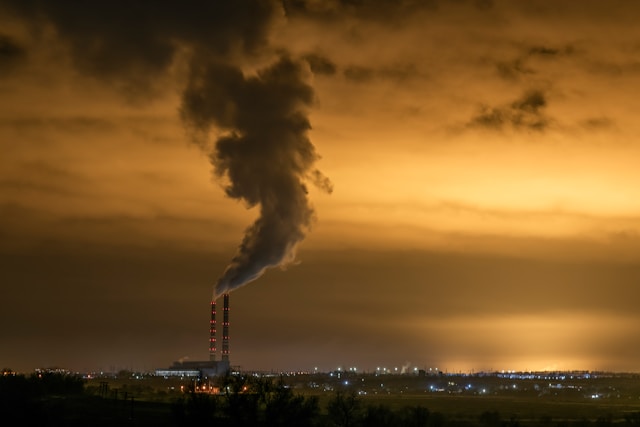
China’s fossil fuel power plants are on course to record their first annual decline in electricity generation in nearly a decade, as a rapid expansion of renewable energy capacity increasingly meets the country’s growing power needs. According to official data cited by Bloomberg, thermal power generation, which includes coal- and gas-fired plants, fell 4.2 per cent in November compared with a year earlier, marking a sharp monthly contraction.
Data released on Monday by the National Bureau of Statistics showed that generation from fossil fuel plants is down 0.7 per cent so far this year. Unless there is a sudden rebound in December, this would represent the first annual drop since 2015, a notable shift for the world’s largest producer and consumer of coal-fired electricity. The figures point to a structural change in China’s power system, even as overall electricity demand continues to rise.
China’s vast coal power fleet remains the single largest source of greenhouse gas emissions globally, and the country continues to add new coal plants to support energy security. Yet their utilisation is increasingly plateauing as wind and solar installations expand at an unprecedented pace. Bloomberg reported that this surge in renewables is now absorbing much of the additional electricity demand that would previously have been met by fossil fuels.
Renewable generation posted strong gains in November, reinforcing the trend. Wind power output jumped 22 per cent from a year earlier, while generation from large-scale solar farms rose by 23 per cent, according to additional data released by the statistics bureau. These increases highlight how clean energy is rapidly reshaping China’s power mix, even as the country maintains a large thermal generation base.
Despite the decline in fossil fuel power generation, the broader environmental picture remains complex. Research from the Centre for Research on Energy and Clean Air suggests that reductions in power-sector emissions have been largely offset by rising pollution from China’s expanding chemicals and plastics industries, underscoring the challenge of cutting overall emissions across the economy.
On the supply side, coal production has also weakened, falling on an annual basis for a fifth consecutive month. At the same time, oil and natural gas output continued to rise toward record annual levels, reflecting Beijing’s push to balance decarbonisation goals with energy security concerns.
The data comes as China’s economy shows signs of strain, with retail sales growing at their weakest pace since the Covid-era crash and investment continuing to slide, according to figures also highlighted by Bloomberg. These pressures have sharpened scrutiny of how resources are allocated, particularly in energy and infrastructure.
The shift away from fossil fuel power generation also aligns with broader signals from China’s leadership. President Xi Jinping recently criticised inflated growth figures and warned against “reckless” projects designed to deliver superficial results, a message that has resonated amid concerns about inefficient investment and rising local government debt.
Taken together, the latest power data suggest that China’s energy transition is beginning to produce measurable impacts on fossil fuel use, even as coal remains central to the system. For global climate efforts, a sustained decline in thermal power generation would mark a significant milestone, though the country’s continued coal construction and rising industrial emissions indicate that the path to lower overall emissions remains uncertain.