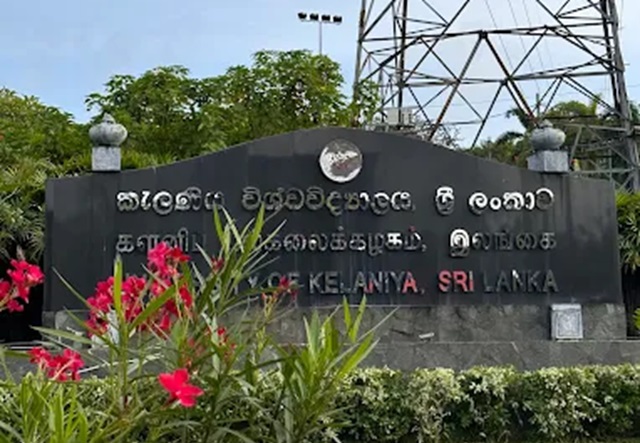
A decision to halt student activities after 10.00 pm on the premises of the University of Kelaniya has sparked a growing dispute between university authorities and student organizations, with both sides trading accusations over safety, discipline, and student rights.
Vice Chancellor Nilanthi de Silva announced the restriction during a special media briefing on February 18, stating that the measure followed multiple complaints linked to training sessions being conducted for an unapproved festive event. According to the administration, reports alleged that some students had been forcibly brought from hostels to student centers, kept overnight, and compelled to participate in singing, dancing, and promotional preparations for the event.
The Vice Chancellor said the university had not granted permission for the festival and had not even been informed of a confirmed date. She emphasized that disciplinary concerns arose when officials attempting to inspect the activities were met with hostility. Stressing that more than 16,000 students are enrolled at the institution, she said the administration has a responsibility to ensure welfare, maintain order, and provide an environment conducive to high-quality education. She further alleged that certain groups were using the guise of festival preparations to engage in undisciplined behavior late into the night and were even attempting to incite destructive acts.
Student representatives strongly rejected the allegations, arguing that the new restrictions amount to an attempt to suppress student life on campus. Madushan Chandrajith, convener of the Inter-University Students’ Federation, warned that students would continue protests until the order is withdrawn, insisting that universities must remain spaces of freedom and self-expression rather than controlled environments.
Religious student leadership also entered the debate, with Medirigiriye Espadhamma Thero, representing the Inter-University Bhikkhu Balamandala, arguing that universities are traditionally places where young adults exercise independence and responsibility. He cautioned that imposing strict limitations on movement and activity could create deeper tensions rather than resolve concerns.
The controversy has ignited a wider national conversation about governance, student autonomy, and campus culture in Sri Lanka, highlighting the delicate balance universities must maintain between safeguarding student welfare and preserving long-standing traditions of academic freedom.