India has joined a new United States-led strategic alliance designed to secure global supply chains for artificial intelligence, semiconductor manufacturing, and critical minerals, marking a significant geopolitical shift in the race to control next-generation technologies. The agreement, known as the Pax Silica declaration, was signed on the sidelines of the AI Impact Summit in New Delhi as Washington deepens efforts to build resilient technology networks among trusted partners.
The initiative, spearheaded by the United States, brings together a coalition of countries including Australia, Japan, South Korea, the United Kingdom, Israel, Qatar, Greece, Singapore, and the United Arab Emirates. Additional participants such as the European Union, Canada, the Netherlands, Taiwan, and the Organisation for Economic Co-operation and Development are involved as non-signatory partners, according to the US State Department.
At the signing ceremony, U.S. Ambassador Sergio Gor emphasized that India would play a central role in the alliance’s development, describing the country as a key contributor to building trusted supply chains in emerging technologies. Earlier in the month, Indian External Affairs Minister S. Jaishankar participated in the Critical Minerals Ministerial convened by U.S. Secretary of State Marco Rubio in Washington, where New Delhi backed new frameworks for resource cooperation under the Forum on Resource, Geostrategic Engagement.
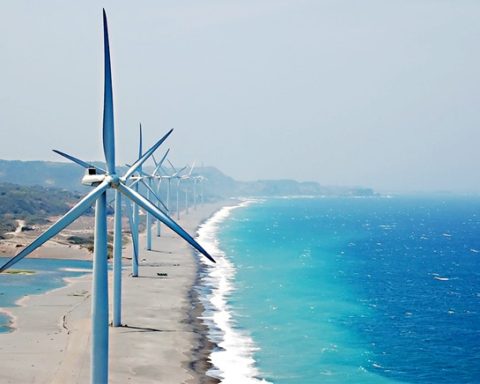
India has already begun aligning domestic policy with these goals. The government has launched the National Critical Minerals Mission and announced plans for rare earth industrial corridors across Odisha, Kerala, Andhra Pradesh, and Tamil Nadu to strengthen mining, processing, and manufacturing capacity for Rare Earth Permanent Magnets, essential components used in electric vehicles, wind turbines, aerospace systems, defense technologies, and advanced electronics.
Analysts say New Delhi’s decision to join the alliance could unlock billions of dollars in AI and high-technology investment while positioning the country as a strategic alternative to China, which currently dominates global rare earth processing and supplies the majority of India’s imports. India still sources roughly 85 to 90 percent of its rare earth needs from China, even though it possesses substantial untapped reserves at home.
Demand within India is projected to surge, with consumption of permanent magnets expected to double by 2030 as the country accelerates electrification, renewable energy deployment, and electronics manufacturing. During a recent visit by French President Emmanuel Macron, New Delhi also signed a declaration of intent to expand cooperation with France on critical minerals and metals, signaling a broader diversification strategy.
India is simultaneously exploring mining partnerships with countries across multiple regions, including Russia, Australia, Argentina, Chile, and several African nations, according to reporting by Reuters. The developments, highlighted in coverage by Hindustan Times, underscore how competition over mineral resources and advanced technologies is rapidly reshaping global alliances.