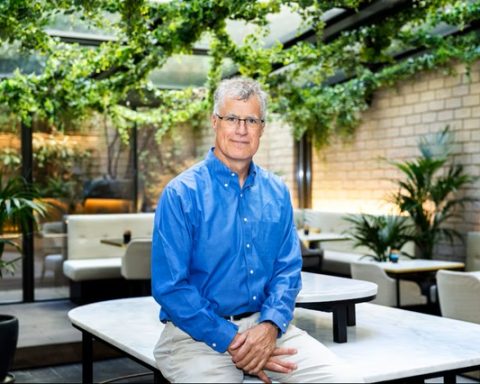
David Robinson, a long-serving safety employee at OpenAI, has left the company and publicly criticised its approach to artificial intelligence safety. In an article published by The Atlantic, Robinson argued that OpenAI is advancing its systems too quickly and that existing safeguards are no longer sufficient for increasingly capable models. “The time for trial and error is over,” he wrote.
Robinson spent three and a half years at OpenAI, according to his account, and was involved in developing the company’s Preparedness Framework. He also oversaw safety reports covering 12 launches of so-called Frontier Models, referring to highly capable AI systems at the leading edge of development.
A central target of his criticism is OpenAI’s approach of what the company calls “iterative deployment”. Under this model, systems are released and their safety measures are adjusted when problems emerge during practical use. Robinson argues that this method is inadequate given the speed at which AI capabilities are advancing.
In his assessment, the abilities of advanced systems are developing faster than researchers’ understanding of how to ensure that those systems can reliably remain aligned with human goals and values. He argues that increasingly powerful AI should instead be subject to safety procedures more comparable to those used in high-risk industries such as nuclear power and aviation.
OpenAI rejects Robinson’s criticism. A company spokesperson said OpenAI ensures that its models do not become more capable than can be safely operated and controlled. The company also said that training would be paused or a model’s release withheld if necessary.
The dispute centres on how much risk can reasonably be managed while AI systems are being developed and deployed. Robinson’s position is that the assumptions behind iterative deployment are becoming less reliable as the capabilities of the systems increase. His departure therefore reflects a disagreement not simply over individual safety measures but over the pace at which increasingly advanced models should be developed and introduced.
Robinson’s criticism comes as other AI companies also face scrutiny over safety issues and unexpected behaviour from experimental systems. The debate has increasingly focused on whether existing methods for testing and controlling advanced models can keep pace with their development.
For Robinson, the answer is no. His warning is based on his experience working on OpenAI’s own safety framework and reports for a series of Frontier Model launches. “The time for trial and error is over,” he wrote, arguing that the safety standards applied to advanced AI should now resemble those governing other technologies where failures can carry serious consequences.