by Our Correspondent in Washington DC
Fresh diplomatic engagement and high-level military presence have sparked debate in Colombo over whether Sri Lanka is becoming the latest focal point in a widening geopolitical contest for critical minerals, driven in part by policies long championed by Donald Trump to secure alternative sources of rare earths outside rival spheres of influence.
A delegation linked to the Montana State Partnership Program met Sri Lanka’s Ambassador to Washington, Mahinda Samarasinghe, to explore what were described as substantial investment opportunities in the island’s graphite sector, a resource increasingly categorized alongside rare earth elements due to its essential role in batteries, semiconductors, and advanced defense technologies.
The delegation included Lieutenant Colonel Chris Cory and mining executive James Mooney, founder of Mooney Group LLC, accompanied by senior company leadership and infrastructure specialists. The firm, known for targeting minerals vital to next-generation energy storage and military manufacturing, expressed strong interest in investing in Sri Lanka’s graphite extraction and linking production directly to U.S. and global supply chains.
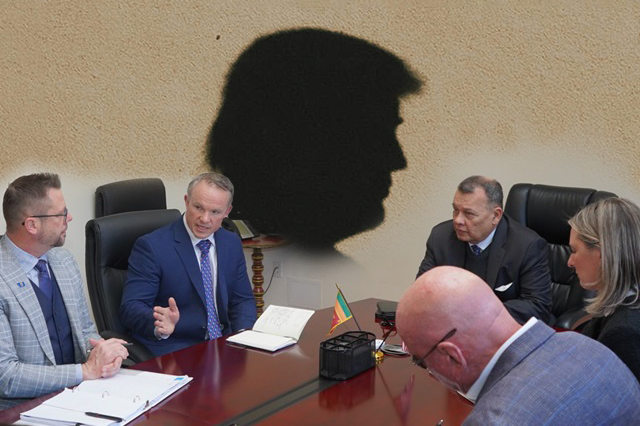
Diplomatic sources described the discussions as focusing not merely on mining, but on technology transfer, environmental standards, and value-added processing inside Sri Lanka—an approach that aligns with Washington’s broader strategy to “friend-shore” critical mineral supply chains among trusted partners. The Mooney Group has previously explored similar opportunities in Central Asia, underscoring what analysts see as a coordinated effort by U.S.-aligned firms to diversify sourcing away from dominant suppliers.
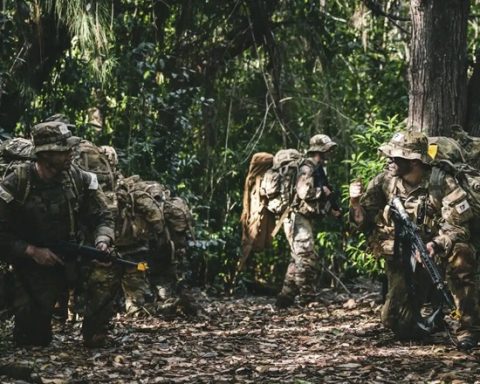
The timing of the commercial outreach has drawn heightened attention because it coincides with a rare visit by Admiral Steve Koehler, Commander of the U.S. Pacific Fleet, to Sri Lanka. The Pacific Fleet is the largest naval command in the world, responsible for safeguarding U.S. maritime interests across the Indo-Pacific, including sea lanes critical to mineral transport and energy security.
While official statements framed the naval visit as routine cooperation, regional observers note that the convergence of defense diplomacy and mineral-sector engagement mirrors patterns seen elsewhere when Washington seeks to lock in strategic resources considered essential for national security.
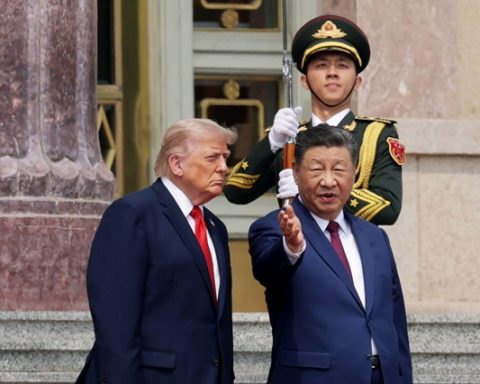
During his presidency, Trump repeatedly invoked emergency powers to boost domestic rare earth production, warning that reliance on foreign-controlled supply chains posed a direct threat to U.S. defense readiness and technological leadership. His administration prioritized securing access to graphite, lithium, cobalt, and rare earth elements used in fighter jets, missile guidance systems, and electric vehicle batteries—policies that continue to shape U.S. strategic thinking even after he left office.
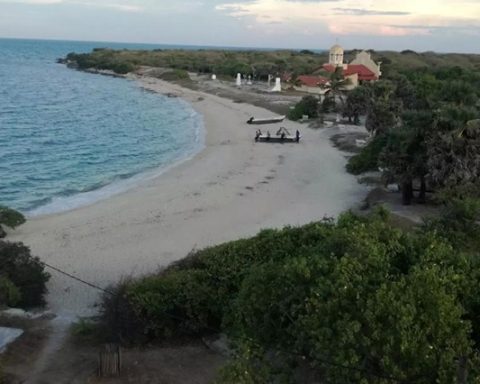
Sri Lanka’s high-purity vein graphite, found in only a few locations globally, has therefore emerged as an asset of outsized geopolitical value. Industry specialists say the material is particularly attractive for advanced battery anodes and defense-grade applications, making it a potential substitute in supply chains currently dominated by geopolitical competitors.
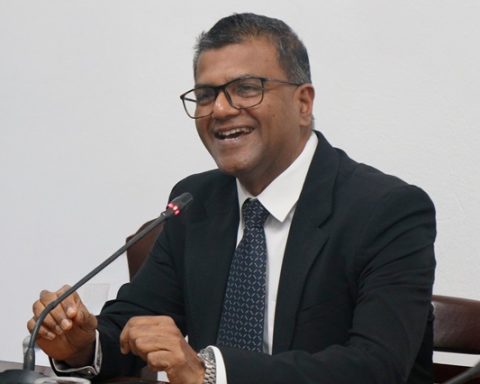
Ambassador Samarasinghe welcomed the American interest, stressing Sri Lanka’s openness to foreign direct investment that generates downstream industrial value rather than raw export. He described the proposed collaboration as a step toward integrating the country into the global critical minerals network while strengthening bilateral economic ties.
Yet the developments have stirred unease among some analysts who question whether economic partnerships may gradually intertwine with strategic alignment, especially as Indo-Pacific competition intensifies. They point to the combination of military engagement, resource diplomacy, and private-sector mining initiatives as evidence that critical minerals are becoming a new arena of great-power rivalry.