Local authorities in northern Sri Lanka move to convert the early residence of former LTTE leader Velupillai Prabhakaran into a museum after his sister declines to take over the property, igniting discussion about history, heritage, and reconciliation.
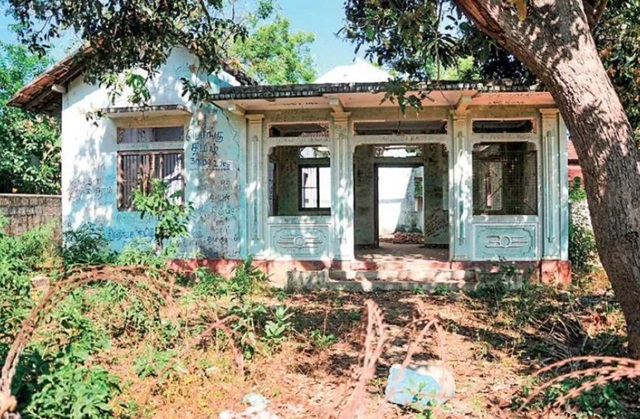
A decision by officials in Sri Lanka to transform the childhood home of former Velupillai Prabhakaran into a museum has sparked renewed debate about how the country remembers its decades-long civil conflict. The initiative emerged after plans to renovate the property and hand it over to Prabhakaran’s sister were refused, prompting local authorities to explore alternative uses for the historically significant site.
The house, located in the coastal town of Valvettithurai, is believed to be where Prabhakaran lived until the age of 13. Officials from the Valvettithurai Pradeshiya Sabha announced the decision during a press briefing at the premises, emphasizing that the building holds cultural and historical value for many within the Tamil community. Rather than leaving the property unused or transferring it to private hands, the council said it would be redeveloped into a museum that preserves and showcases regional heritage.
Council member Nadaraja Anantharaj explained that consultations were carried out with local and diaspora Tamil intellectuals, architects, and scholars to design a project reflecting the “traditional history and identity” of the area. The plan envisions a three-storey building incorporating or replacing the original residence, with the ground floor dedicated to an art gallery and the upper floors presenting exhibitions on historical events and cultural evolution.
Local representatives stressed that the museum is intended not as a political monument but as an educational and cultural institution. They say the facility will emphasize spirituality, education, art, and cultural preservation, aiming to encourage younger generations to engage with their heritage through structured learning and public exhibitions.
The project unfolds within the sensitive legacy of the Liberation Tigers of Tamil Eelam, whose decades-long insurgency ended in 2009 after a brutal civil war that left deep ethnic and social scars. Memorializing figures from that period remains contentious, with some fearing it could reopen old wounds while others see an opportunity for reflection and dialogue.
Supporters of the museum argue it could become both a cultural landmark and an economic asset by attracting visitors and scholars interested in northern Sri Lanka’s history. Critics caution that the interpretation of exhibits and the narrative presented will be key in determining whether the site fosters reconciliation or fuels renewed division.