


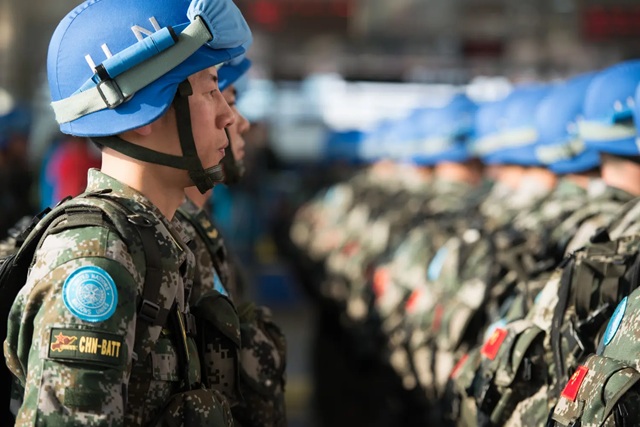
Once, the United Nations was a custodian of peacekeeping missions aimed at maintaining order and reducing anarchy in transnational affairs. Hence, it has been globally recognized as the backbone of collective security. However, in the current context, this prestigious institution is falling short of the liquid assets required to sustain peacekeeping missions. The shortfall in funds has sent shockwaves to those countries that have been actively involved in peacekeeping missions and have rendered sacrifices for collective global security.
In this regard, Pakistan’s Permanent Representative, Ambassador Asim Iftikhar, raised the issue at the United Nations and warned that the shortfall of $1.57 billion is undermining global peacekeeping. Pakistan is one of the largest contributors to UN peacekeeping missions. Approximately 250,000 Pakistanis have served in 48 missions across four continents.
It is not only the financial constraint that is concerning, but it also raises questions about the credibility and legitimacy of the liberal institution whose main objective is to enforce multilateralism and collective security. The liquidity crisis has resulted in delayed reimbursements to troop-contributing countries, leading to budgetary shortfalls and widening the gap between motivation and operational capabilities of contributing nations.
UN peacekeeping missions remain one of the most cost-effective and legitimate tools for preventing fragile conflicts from reigniting into full-scale wars. However, acute financial and operational strains have challenged the frontline role of Pakistan in UN peacekeeping. In Africa, Pakistani forces in the United Nations Organization Stabilization Mission in the Democratic Republic of the Congo have found it difficult to patrol large and volatile areas of over 92,000 square kilometers with fewer vehicles and limited equipment, which overstrains troops and affects morale.
Similarly, at MONUSCO, smaller operating budgets have reduced the frequency of operations, weakening civilian security. In South Sudan, Pakistani forces have faced sluggish supply chains, which have compromised preparedness. Pakistan’s capacity to maintain its commitment—while cutting emissions by 15 percent and considering the possibility of 25 percent staff reductions—directly undermines the sustainability of its missions. Being one of the largest troop contributors, financial instability not only places Pakistani troops and their safety at risk, but also erodes the legitimacy of peacekeeping itself. Reinforced host-state cooperation and reliable funding are therefore essential.
There are several structural causes behind the crisis in UN peacekeeping missions. Primary among them is the diversion of funds to other agendas, such as climate security and human rights, which has led to chronic arrears in member-state contributions. Geopolitical rivalry in the Security Council stalls consensus on financial priorities, while global inflation and regional instabilities further strain funding mechanisms.
A viable solution to the liquidity crisis in the United Nations requires a multidimensional approach based on financial discipline and institutional reform. Imposing stricter deadlines on member contributions and considering new financing models, including GDP-linked assessments, would help stabilize funding flows. Resilience can be enhanced by diversifying support through regional alliances, private-sector involvement, and trust funds. Streamlining mandates would guarantee operational focus and timely payments, while recognizing the contributions of providers such as Pakistan would strengthen collective responsibility and multilateral legitimacy.
The liquidity crisis facing United Nations peacekeeping is a serious challenge to institutional resilience and normative credibility. Pakistan’s moral and political leadership in raising this issue demonstrates the urgency of protecting collective security. The legitimacy of the UN depends on its capacity to adhere to the norms and values it promotes. Without consistent funding, UN peacekeeping risks becoming symbolic rather than functional, failing to deter aggression, monitor violations, and build trust between conflicting parties.
Stable funding is essential for troop morale, equipment preparedness, and rapid response. Investment in peacekeeping is ultimately an investment in preventive diplomacy and international stability—a responsibility that the global community must uphold to maintain collective security.











