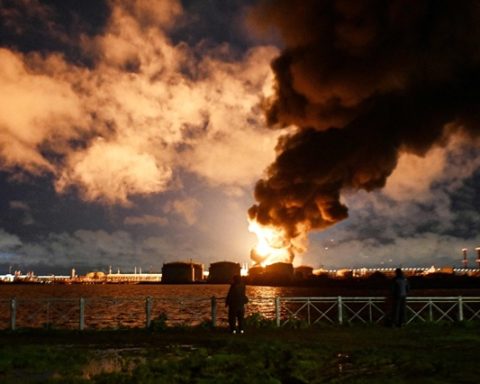
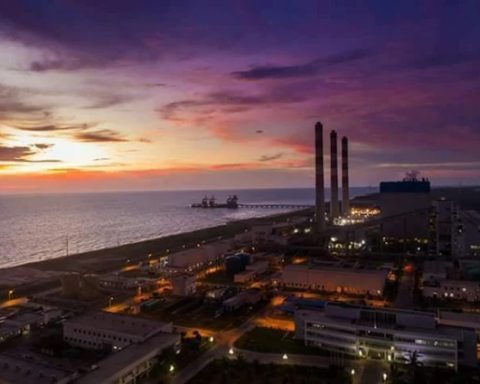
Global energy markets jolted sharply upward following the weekend offensive by United States and Israel against Iran, with investors focusing on the vulnerability of the Strait of Hormuz, the narrow maritime corridor through which roughly 20% of the world’s oil and liquefied natural gas consumption passes. Amid fears of supply disruptions and rising transport risks, crude prices briefly surged nearly 13% during early European trading before stabilizing at gains of around 6%.
Brent crude, the European benchmark, climbed about 6.5% to exceed $76 per barrel, while the U.S. WTI benchmark rose roughly 6%, bringing total gains this year to more than 25%. Natural gas markets reacted even more dramatically, with Europe’s TTF benchmark in the Netherlands jumping more than 20% at the open. Analysts warn that prolonged instability could drive oil prices toward $85–$90 per barrel if the conflict escalates or shipping remains constrained.
Although the strategic waterway has not been physically blocked, shipping companies and oil transporters have largely halted operations, leaving around 150 vessels stalled in the area. Iran has reported attacks on several tankers linked to the United States and the United Kingdom, while U.S. authorities have advised commercial vessels to avoid the Strait of Hormuz and nearby waters. Analysts at Goldman Sachs said tanker traffic appears “significantly interrupted,” even though no confirmed damage to production or export infrastructure has yet been reported.
Energy flows through the strait average about 14.5 million barrels of oil per day, with nearly 90% destined for Asian markets such as China, India, and Japan, underscoring the global ripple effects of any sustained disruption. Even modest output increases recently agreed by OPEC+ may struggle to reach markets if maritime routes remain constrained. Iran itself produces roughly 3.3 million barrels per day, about 3% of global supply, adding another layer of uncertainty.
Market strategists say the situation evokes comparisons to the 1970s oil embargo, when geopolitical turmoil triggered a dramatic surge in prices. Today’s investors are increasingly pricing in the risk of a prolonged conflict rather than a short-lived geopolitical shock, with financial institutions revising forecasts upward and warning of inflationary consequences worldwide.
The trajectory of prices now hinges on whether tanker traffic resumes and whether diplomatic channels reopen. Statements from Donald Trump that military operations would continue until objectives are met have reinforced expectations of a conflict that could last weeks. Some banks, including Citigroup, say oil is likely to trade in the $80–$90 range in the near term unless rapid de-escalation or behind-the-scenes negotiations ease pressure on the world’s most critical energy corridor.