by Our Correspondent in Colombo
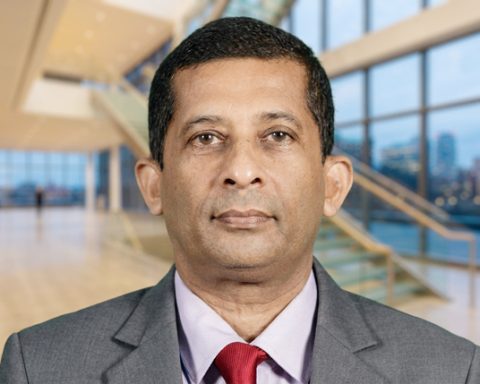
According to recent accounts reported by local media, retired Major General Tuan Suresh Sallay, former head of the State Intelligence Service, is facing severe inhumane treatment during his detention by the Criminal Investigation Department under the Prevention of Terrorism Act. Observers say the treatment raises serious concerns under both Sri Lankan law and international human rights standards, including obligations under the Convention Against Torture.
Major General Sallay’s detention conditions are reported to be highly unsafe and degrading. He is being held in a cell infested with rats and cockroaches, contributing to severe sleep deprivation and psychological stress. He reportedly fears contracting leptospirosis and has not been able to take his prescribed medication for migraines consistently. Requests from his family to provide him with food suitable for his medical needs have been denied, and there are concerns that continued lack of proper nutrition may force him into a hunger strike. His brother, retired commando Major Selwyn Sallay, who visited the CID, described the cell as filthy and unsafe, highlighting the risks to both physical and mental health.
Access to immediate family members has been arbitrarily restricted. On March 7, Major General Sallay’s 21-year-old son attempted to visit him but was turned away after waiting for three hours because he had not obtained a Police Clearance Report, despite having submitted a formal request. Earlier requests from Major General Sallay’s wife asking that her son be allowed to visit without the report were also rejected. Observers note that these restrictions violate fundamental rights guaranteed under Sri Lankan law, which allow detainees the right to meet immediate family members, and contravene international human rights norms.
In addition, lawyers meeting with Major General Sallay are reportedly required to conduct consultations under direct supervision of CID officers, with conversations recorded. Legal experts have warned that this practice violates the lawyer-client privilege under Section 126 of the Sri Lanka Evidence Ordinance and infringes the right to legal assistance under Article 13(3) of the Constitution. Such measures obstruct access to a fair trial and undermine the independence and dignity of the legal profession.
Critics point out that these actions are taking place without substantive evidence linking Major General Sallay to any criminal activity, effectively preventing him from participating in legal proceedings. Observers have raised concerns over potential political interference in the investigation, noting that individuals with active political affiliations appear involved in the case. International attention has intensified as the United Nations and human rights organizations continue to urge Sri Lanka to repeal or reform the PTA, which has been repeatedly criticized for enabling detention without due process and subjecting suspects to arbitrary and potentially abusive conditions.