


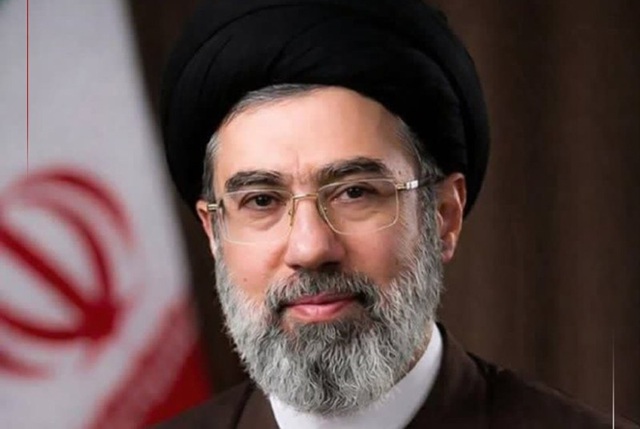
Iran’s clerical establishment has formally appointed Mojtaba Khamenei as the new Supreme Leader of Iran following the reported death of his father, Ali Khamenei. The decision was announced by the powerful Assembly of Experts and published by the state-linked Fars News Agency, accompanied by an extensive official statement explaining the succession process and the political circumstances surrounding the decision.
The statement begins with a religious invocation and a message to the Iranian public: “In the name of God, the Most Gracious, the Most Merciful. Greetings and God’s blessings be upon the noble and free people of Islamic Iran.” It then expresses condolences for the late leader and others killed in the crisis, stating that the Assembly was “expressing condolences on the martyrdom of the great leader His Eminence Ayatollah Imam Khamenei and other esteemed martyrs, especially the honorable commanders and the devoted armed forces.”
The Assembly said it moved quickly despite severe wartime conditions and attacks targeting the institution itself. According to the statement, “Immediately after the news of the martyrdom and heavenly ascension of the wise and prudent leader of the Islamic Revolution, despite the severe wartime conditions and direct threats from enemies against this popular institution and the bombing of the offices of the Secretariat of the Assembly of Experts of the Leadership, which led to the martyrdom of several staff members and the security team of this body, it did not hesitate for a moment in the process of selecting and introducing the leadership of the Islamic system.”
Officials emphasized that constitutional procedures were followed to ensure continuity of power. The statement said the Assembly acted “according to the duties stipulated in the Constitution and the internal regulations of the Assembly of Experts,” organizing an extraordinary session to appoint a new leader so that “the country would not face a leadership vacuum.” It also referenced provisions that would have allowed the creation of a temporary leadership council but said the Assembly instead opted for a direct appointment.
The declaration highlighted the ideological foundation of Iran’s leadership structure and praised decades of revolutionary governance. It noted that the Assembly values “the high position of the Guardianship of the Jurist in the era of the occultation of the Imam Mahdi and the importance of the leadership issue in the Islamic Republic system,” while honoring “47 years of wise governance based on the principle of dignity, independence, and authority of the Imams of the Revolution.”
The statement then formally announced the succession. “After thorough and extensive review and utilizing the capacity of Article 108 of the Constitution, in accordance with its religious duty and belief in being in the presence of Almighty God, in today’s extraordinary session, Ayatollah Seyyed Mojtaba Hosseini Khamenei is appointed and introduced as the third leader of the sacred system of the Islamic Republic of Iran based on the decisive vote of the honorable representatives of the Assembly of Experts of the Leadership.”
In its concluding passage, the Assembly called for public loyalty to the new leader and unity within the country during a period of conflict. “It invites all the noble people of Iran, especially the elites and intellectuals of the seminary and university, to pledge allegiance to the leadership and maintain unity around the axis of the Guardianship,” the statement said, adding a prayer for “the continued grace and favor of the Almighty God upon this country and its great people.”
The appointment makes Mojtaba Khamenei the third Supreme Leader since the establishment of the Islamic Republic in 1979 and marks a historic transition in which power passes from father to son at the highest level of Iran’s political and religious hierarchy. Analysts say the move could reshape internal politics and influence Iran’s regional posture as tensions with external adversaries, including the United States and Israel, remain elevated.









