Between 1956 and 1963, Britain, with the approval of the Australian government, detonated seven atomic bombs in the remote Maralinga desert of South Australia. While often described as a barren testing ground, the fallout from these tests reached far beyond the dunes, affecting Indigenous communities and thousands of British servicemen who were exposed to dangerous levels of radiation. The secrecy surrounding Maralinga masked both the scale of the contamination and the human cost of Britain’s nuclear ambitions.
The test zone spanned an astonishing 52,000 square kilometers. Two major series, Operation Buffalo in 1956 and Operation Antler in 1957, produced explosions of up to 27 kilotons—one of which was twice as powerful as the bomb dropped on Hiroshima. Beyond these headline blasts, British scientists conducted some 550 “minor trials.” These experiments involved detonating plutonium with TNT, burning nuclear components, and scattering radioactive material across the desert. In many cases, these smaller trials created contamination even more insidious than the atomic bombs themselves, seeding long-lasting radioactive particles into the soil and air.
Britain initially sought to host the tests elsewhere, asking the United States and Canada, both of which declined. Ultimately, Australian Prime Minister Robert Menzies approved the tests without consulting his cabinet, effectively turning the remote desert into a nuclear playground. While the government framed the site as empty and isolated, the reality was starkly different. Aboriginal communities had lived, hunted, and thrived there for generations. The local Indigenous people refer to the area as “Mamu Pulka,” or Big Evil—a name that reflects the fear and disruption brought by the nuclear program.
Authorities displaced Indigenous families under a mix of bureaucratic maneuvering and cultural manipulation, closing missions and spreading stories of “wanampi” serpent spirits to keep people away. Despite this, many later returned to their ancestral lands, often unaware that the desert remained heavily contaminated. Meanwhile, more than 16,000 servicemen were present at Maralinga during the tests, many without proper protective measures. Estimates suggest that approximately 30% of these individuals later died from cancer linked to their exposure. The 1984 Royal Commission revealed that British officials disregarded weather patterns and other safety considerations, resulting in radioactive fallout reaching major cities, including Brisbane, Sydney, Adelaide, and Townsville—far beyond the designated safety zones.
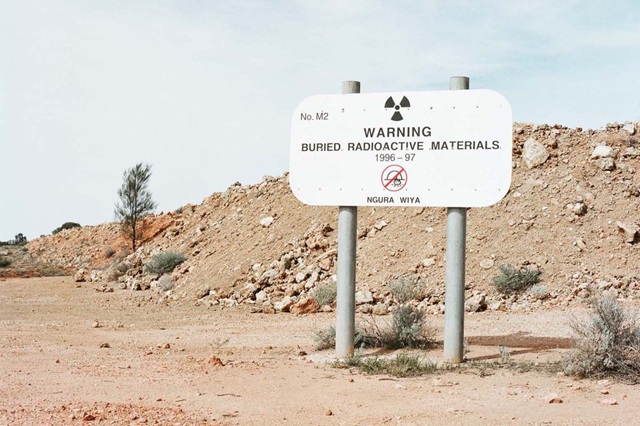
Initial clean-up efforts in the 1960s were largely ineffective. Radioactive contamination persisted, and the desert remained hazardous for decades. A comprehensive rehabilitation only took place between 1996 and 2000, at a cost of AUD $108 million. Britain contributed £20 million, while Australia covered the remainder. Even with this extensive remediation, approximately 120 square kilometers of the Maralinga site remain unsafe for permanent habitation. Traditional land users who return today could face radiation exposure levels up to 13 times above internationally recognized safe limits.
Maralinga is more than a historical footnote; it is a cautionary tale of power, secrecy, and disregard for human life. The nuclear program not only devastated the land but disrupted Indigenous culture, endangered thousands of servicemen, and left a toxic legacy that continues to threaten health and livelihoods. For decades, the desert stood as a silent reminder of the consequences of unchecked ambition and the human cost of global nuclear competition.
Today, Maralinga is a symbol of the complex relationship between Australia and Britain, highlighting the enduring environmental and social toll of colonial-era agreements and military secrecy. As survivors and descendants continue to confront the contamination, the story of Maralinga underscores the long shadow cast by nuclear testing and the importance of accountability, transparency, and long-term environmental stewardship.