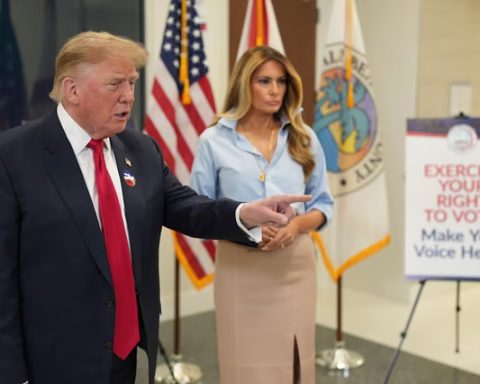
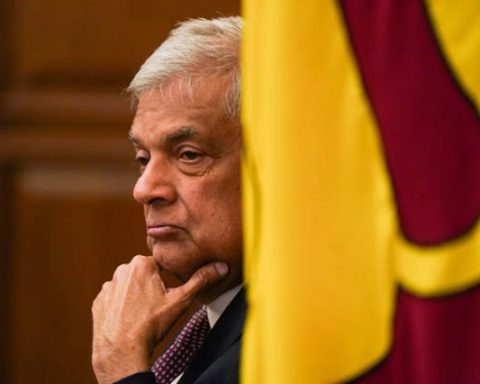
Top economic officials from the United States and China concluded talks in Paris on Monday, aiming to lay groundwork for U.S. President Donald Trump and Chinese President Xi Jinping to address trade, investment, and strategic resources later this month, sources familiar with the discussions told Reuters. Led by U.S. Treasury Secretary Scott Bessent and Chinese Vice Premier He Lifeng, the negotiations were described as “remarkably stable,” opening the door to possible deliverables for the leaders’ meeting, though the final decisions remain in the hands of Trump and Xi.
The talks focused on several potential areas of agreement, including additional Chinese purchases of U.S. agricultural products such as poultry, beef, and non-soy row crops, while reaffirming the October 2025 trade truce that commits China to buying 25 million metric tons of American soybeans annually for three years. Both sides also explored formal mechanisms to manage trade and investment, including a proposed U.S.-China “Board of Trade” to balance sector-specific trade growth without jeopardizing national security, and a “Board of Investment” to address discrete investment concerns.
Critical minerals and energy were also discussed, with U.S. officials raising concerns about access to Chinese-produced yttrium for aerospace applications. Sources told Reuters that while progress was made on challenging mineral issues, specifics were not disclosed. U.S. officials also emphasized China’s potential role in increasing purchases of Boeing jetliners, U.S. coal, oil, and natural gas, though analysts noted that major breakthroughs are unlikely in the near term due to limited preparation time and Washington’s focus on the U.S.-Israeli conflict in Iran.
Trump has indicated he could delay the Beijing summit to press China on unblocking the Strait of Hormuz. The Paris meetings follow prior exchanges between Bessent, He, U.S. Trade Representative Jamieson Greer, and Chinese trade negotiator Li Chenggang, with both sides aiming to maintain confidence in an increasingly fragile global economy. According to trade analysts, deliverables from these talks may be spread across multiple meetings this year, including potential visits to Washington, a China-hosted APEC summit in November, and a U.S.-hosted G20 summit in December.