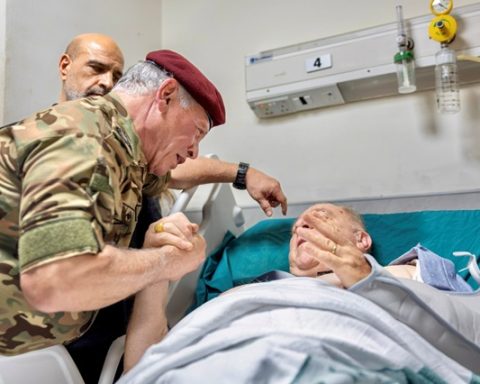
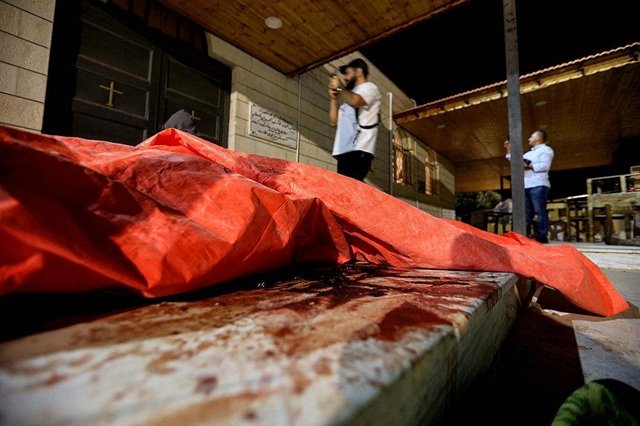
On October 23, 2026, unidentified gunmen opened fire on mourners attending a funeral at the St. George’s Greek Orthodox Church in Hamoud village in Jordan’s southern Karak Governorate, killing at least eight people and injuring dozens. The death toll rose to nine on October 24, as one of the injured died. Jordanian authorities described the shooting as a terrorist attack carried out by extremists, although the perpetrators’ identities, motives and possible links to militant organisations remained unconfirmed. King Abdullah II condemned the attack and vowed the harshest response against those responsible. “Those who delude themselves into thinking that they can divide Jordanians with their bullets have no chance in the face of our unity,” he declared, adding that “every Jordanian life is precious” and that the state would respond with an “iron fist.” The King’s emphasis on national unity highlights the wider stakes of the attack: beyond the loss of life, the violence raises the question of whether an assault on a religious community can be used to generate fear and weaken Jordan’s social cohesion.
The choice of target is significant. The gunmen struck mourners gathered at a place of worship, turning an occasion of grief into an episode of indiscriminate violence. Christians constitute a minority in Jordan but have long been part of the country’s social fabric. An attack on a Christian congregation carries implications beyond the immediate community. Violence against a religious minority can generate fear, weaken public confidence in the state’s ability to provide equal protection, and encourage the perception that religious identity determines who can safely participate in public life. The attack’s broader significance lies in this potential to damage coexistence, irrespective of whether that was the perpetrators’ intended objective.
The circumstances of the assault warrant close scrutiny. Footage broadcast by Jordanian state television reportedly showed three armed men approaching the church and opening fire. Witness accounts described gunfire and panic among mourners. As of October 24, no organisation had claimed responsibility, and authorities had not established whether the assailants were connected to a known militant group. Interior Minister Mazen al-Faraya reportedly described the perpetrators as extremists, while the investigation remained ongoing. The ideological and organisational origins of the attack thus remain open questions rather than the basis for premature attribution.
The absence of an immediate claim of responsibility does not diminish the need to investigate possible organised extremist activity. Jordan has previously confronted Islamist militant networks and plots. Karak itself witnessed a major attack in December 2016, when an Islamic State-linked assault killed 10 people, including seven security personnel and a Canadian tourist. That precedent provides relevant context, but does not establish a connection between the two incidents. Investigators must also determine whether the latest attackers acted independently or received assistance, identify the sources of their weapons, and establish whether local networks or external contacts facilitated the operation. The challenge now is to translate the King’s declaration into an effective security response.
The political challenge is equally important. If the perpetrators sought to provoke sectarian confrontation, any resulting mistrust or retaliation would extend the consequences of the attack far beyond the victims and their families. An investigation that establishes responsibility without casting suspicion on entire communities would help deny the perpetrators any wider social impact.
The international response underscored the significance of the attack. Canadian Prime Minister Mark Carney condemned the shooting as a “despicable act of terror,” emphasising its violation of the sanctity of a place of worship and the suffering inflicted on families attending a funeral. United Nations Secretary-General António Guterres stressed that places of worship must remain safe and that attacks against civilians were unacceptable. The UN published a statement on the attack on October 23, 2026. These reactions underline the wider concern over civilian protection and freedom of worship. For Jordan, however, the immediate challenge remains to translate expressions of solidarity into effective prevention, accountability and reassurance for vulnerable communities.
Jordan’s stability cannot be taken for granted, but neither can one brutal assault be treated as proof that coexistence has failed. The decisive question is whether the state can deliver justice while preserving the social cohesion that extremist violence may threaten. The response to Karak will be measured not only by arrests or security measures, but also by whether Jordan emerges from the tragedy more secure and no less united.