The global airline industry is confronting its most severe crisis since the COVID-19 pandemic, as the ongoing Middle East conflict disrupts operations, sends fuel costs soaring, and wipes more than $50 billion off the value of major carriers, according to reporting by the Financial Times. Executives have warned that the situation could have lasting effects on global travel demand and airline profitability.
As the conflict enters its fourth week, jet fuel prices have doubled since military actions involving the United States and Israel against Iran began. Fuel, which accounts for roughly a third of airline operating costs, is placing immense pressure on carriers already operating with thin margins. Industry leaders say the only feasible response is to raise ticket prices, meaning passengers worldwide are likely to face significantly higher fares in the coming months.
The financial impact has been immediate. The 20 largest publicly listed airlines have collectively lost around $53 billion in market capitalization since the conflict began, reflecting investor concern over sector stability. Companies such as easyJet and Wizz Air have been particularly affected, with investors increasingly betting against their share prices amid uncertainty.
Executives caution that while demand has rebounded strongly since the pandemic, it may not withstand sustained fare increases. Carsten Spohr noted that higher ticket prices could reduce demand over time but emphasized that airlines have little choice given rising costs. With average profits per passenger slim, absorbing the additional expenses is not feasible for most carriers.
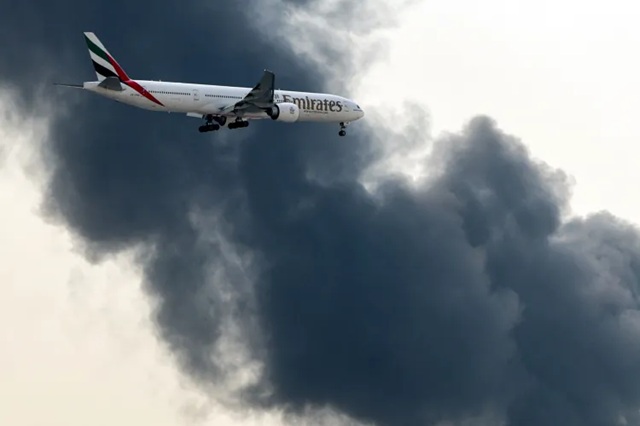
The crisis is especially severe in the Gulf region, where major airlines including Emirates, Etihad Airways, and Qatar Airways have had to scale back operations due to airspace closures and a sharp decline in tourism. Experts suggest that these state-backed carriers may require financial support from their governments if the disruption persists.
Beyond passenger travel, cargo operations are also being affected. With shipping routes disrupted, more goods are being transported by air, overwhelming airport capacity in some regions and forcing logistical adjustments. Airlines are preparing contingency plans for potential fuel shortages, including cutting routes and reducing services to certain destinations.
Despite the turmoil, some executives remain cautiously optimistic that the sector could rebound quickly if the conflict subsides. For now, however, the aviation industry remains under intense pressure, balancing rising costs, geopolitical instability, and uncertain demand, with the full extent of the fallout yet to be seen.