
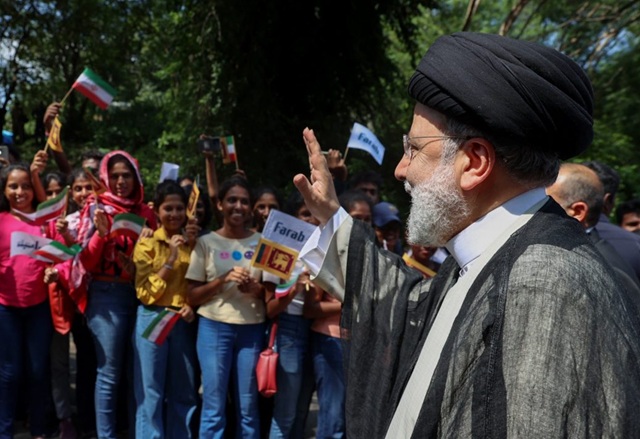
The Iranian Ambassador to Sri Lanka described Sri Lanka as a “close friend” and assured that Iran would provide fuel “at any time that Sri Lanka needs.” At one level, this is a message of goodwill. At another, it is a carefully timed geopolitical signal, one that must be understood within a rapidly evolving regional crisis and a complex strategic triangle involving Sri Lanka, India, and Iran.
Sri Lanka’s fuel vulnerability is once again exposed. The ongoing conflict involving Iran, the United States, and Israel has disrupted global energy flows, with the Strait of Hormuz, through which a significant portion of the world’s oil passes, severely affected. The consequences are already visible. Sri Lanka has increased fuel prices sharply, introduced rationing, and resorted to emergency procurement to manage shortages. In such a moment, an offer of fuel “at any time” is not merely diplomatic courtesy; it is strategic positioning at a point of national vulnerability.
Iran’s message is best understood as strategic energy diplomacy. As a major oil producer operating under sanctions, Tehran has long used energy as a tool of influence. Sri Lanka, heavily dependent on imports, represents both an opportunity and a gateway. The offer signals an intention to position Iran as a reliable alternative supplier, to deepen bilateral relevance in Sri Lanka’s energy security framework, and to convert goodwill into long-term strategic leverage. Energy, in this sense, is not just fuel; it is influence delivered through necessity.
However, this engagement cannot be viewed in isolation. It sits within a Sri Lanka–India–Iran triangle, where each move carries layered implications. India remains Sri Lanka’s closest strategic partner and primary regional stabilizer, particularly in times of crisis. Yet India itself is under pressure. The same disruptions affecting Sri Lanka have constrained India’s ability to export fuel, as New Delhi prioritizes domestic demand before extending supply outward. At the same time, India’s balancing act is visible. It has allowed Iranian naval presence on humanitarian grounds while avoiding overt alignment, even as the broader conflict escalates. This creates a strategic gap, one that Iran is now stepping into. For Sri Lanka, the implication is clear: accepting Iranian energy support is not just an economic decision; it is a geopolitical signal that will be closely watched in New Delhi.
Sri Lanka’s traditional foreign policy of friendship with all and enmity with none is being tested in real time. Recent events illustrate this pressure. The country has already been drawn into the periphery of the conflict, from managing Iranian naval vessels under humanitarian obligations to navigating the diplomatic sensitivities of a war unfolding in its immediate maritime environment. At the same time, Sri Lanka must maintain relationships with India as its closest security partner, the United States and Western actors as key economic stakeholders, and Iran as a potential energy lifeline. This is no longer non-alignment in theory; it is non-alignment under stress.
The language used by the Iranian ambassador, “close friend” and “any time you need,” is not accidental. It reflects a deliberate use of soft power, reinforcing historical ties while projecting reliability. Iran has invested in Sri Lanka’s development sector and maintained long-standing diplomatic relations, creating a foundation for such messaging. However, soft power here is not benign. It is strategically deployed reassurance, designed to shape perception and influence decision-making at a critical moment.
For Sri Lanka, Iran’s offer presents a dual reality. On one hand, it offers immediate relief from fuel shortages, diversification of supply sources, and the strengthening of bilateral ties. On the other, it carries risks, including exposure to sanctions-related complications, potential strain in relations with India and Western partners, and the possibility of long-term dependency on politically sensitive supply chains. The real challenge lies in navigating between these competing pressures without compromising strategic autonomy.
Iran’s statement is more than a diplomatic assurance; it is a strategic entry point into a shifting regional equation. Within the Sri Lanka–India–Iran triangle, energy is emerging as the central axis of influence. Iran offers supply, India represents proximity and security, and Sri Lanka sits at the intersection, compelled to balance both while managing its own vulnerabilities. In this environment, every offer carries weight beyond its immediate value. Fuel becomes leverage, friendship becomes signaling, and diplomacy becomes a test of strategic judgment. Sri Lanka’s response, therefore, must go beyond immediate necessity. It must be calibrated, cautious, and conscious of the broader triangle in which it now operates. Because in today’s geopolitical landscape, even a promise of fuel is never just about energy; it is about influence, alignment, and the future shape of regional power.