Iran has accused the United States and Israel of carrying out a military strike on the Tofigh Daru pharmaceutical company in Tehran, a key facility responsible for producing cancer treatments and supporting the country’s medical independence. The reported attack on March 31 marks a significant escalation in the ongoing conflict, as it targets a site central to civilian healthcare rather than traditional military or energy infrastructure.
Iranian state media confirmed that the bombardment caused extensive structural damage to the facility, with images showing severe destruction to the production and research complex. Tofigh Daru has long been considered a cornerstone of Iran’s health sector, particularly amid ongoing international sanctions that restrict access to imported medicines. The destruction of such a site is expected to have immediate and severe consequences for patients reliant on life-saving treatments.
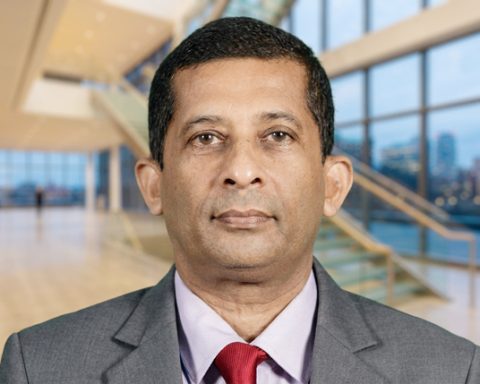
Iran’s Foreign Minister Abbas Araqchi strongly condemned the attack, describing it as a deliberate assault on civilian infrastructure and a violation of international norms. He emphasized that the facility plays a critical role in producing essential pharmaceuticals, especially cancer medications, and warned that Iran would respond to what it considers an act of aggression. Araqchi also accused the attackers of disregarding humanitarian principles by targeting a medical institution.
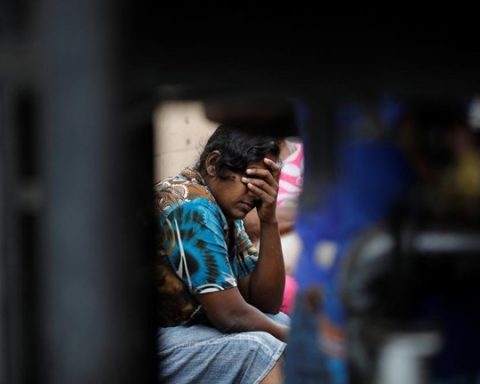
The strike has intensified concerns that the conflict is entering a new and more dangerous phase, where healthcare systems and civilian well-being are increasingly at risk. Analysts warn that such actions could further strain Iran’s already challenged medical supply chains, worsening humanitarian conditions and limiting access to essential care for vulnerable populations.
This development comes amid a broader pattern of escalating hostilities since late February, during which Iran reports that more than 1,300 people have been killed, including high-profile figures and civilians. Previous attacks have largely focused on strategic assets such as energy infrastructure. However, the shift toward targeting medical facilities signals a widening scope of the conflict with potentially far-reaching humanitarian implications.
Tensions have also been fueled by recent statements from U.S. President Donald Trump, who reportedly threatened to seize Kharg Island, Iran’s primary oil export hub. Such rhetoric, combined with continued military actions, underscores the strategic pressure being applied on Iran’s economic and logistical lifelines.
In response, Iran has maintained its military forces on high alert and launched retaliatory missile and drone strikes against Israeli and U.S.-linked targets across the region. Tehran has also reiterated its ability to control the Strait of Hormuz, a critical passage for global energy supplies, positioning it as both a strategic asset and a deterrent against further aggression.
The attack on the Tofigh Daru facility highlights a troubling evolution in the conflict, where essential civilian services are increasingly drawn into the line of fire. As both sides continue to escalate, the risk of broader regional destabilization grows, with the humanitarian toll mounting alongside geopolitical tensions.