Vice President JD Vance has been thrust into the most consequential diplomatic role of his political career, after President Donald Trump appointed him to lead high-stakes peace negotiations with Iran, according to a report published by the Wall Street Journal. The decision marks a dramatic escalation in Vance’s international profile, placing him at the centre of one of the most sensitive geopolitical conflicts facing the United States and raising questions about both the future of the Iran crisis and Vance’s own political trajectory.
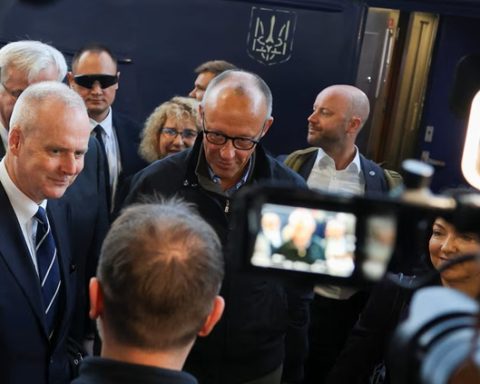
The assignment reportedly came as Vance was concluding a visit to Budapest, where he had been supporting Hungarian Prime Minister Viktor Orbán’s re-election campaign, when Trump instructed him to take charge of direct negotiations with Iranian officials. The move, described by senior administration figures as an effort to lend weight and authority to the talks, signals Trump’s increasing reliance on his vice president as a diplomatic instrument in fast-moving global crises. It also reflects a broader pattern in which Vance has been assigned a growing number of politically and strategically sensitive tasks.
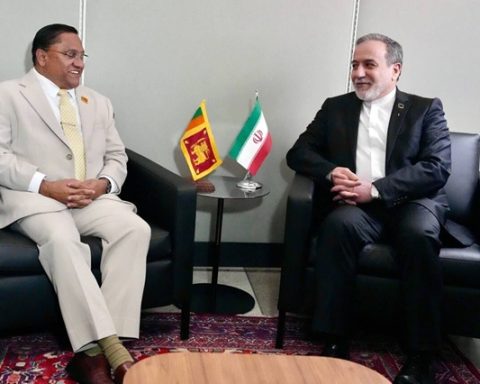
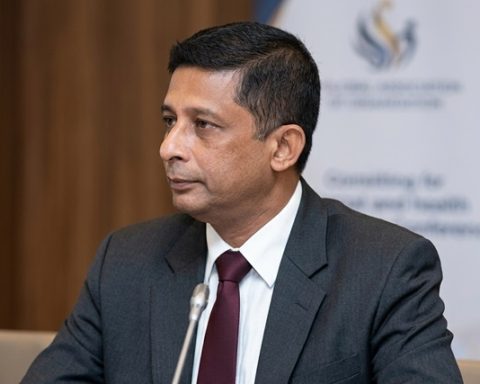
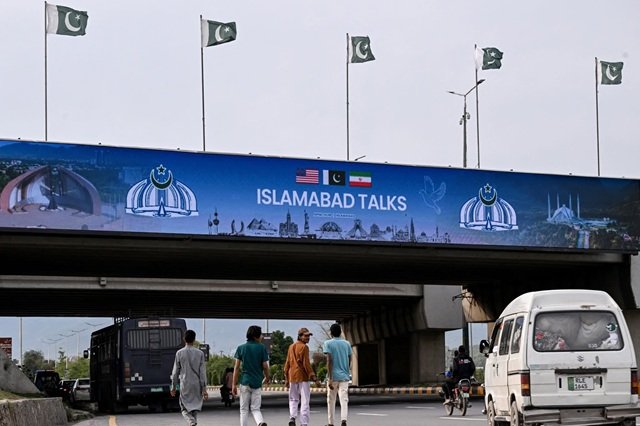
According to the Wall Street Journal report, the Islamabad negotiations represent the most significant test yet of Vance’s emerging role in foreign policy. The talks, mediated by Pakistan, bring together senior representatives from the United States and Iran at a moment of heightened tension following years of conflict, sanctions, and intermittent military escalation. Iranian delegates are expected to include experienced political figures, while the US delegation is also supported by senior Trump advisers, underscoring the importance the administration places on the outcome.
The report describes the diplomatic environment as highly fragile, with deep disagreements remaining over core issues such as nuclear enrichment and regional security. Iranian officials have previously insisted on retaining the right to enrich nuclear material, a position that remains unacceptable to Washington. While some progress has reportedly been made in narrowing differences, significant gaps persist, leaving the success of the negotiations uncertain.
Vance’s appointment is particularly notable given his long-standing reputation as an opponent of foreign military intervention. The Wall Street Journal notes that he previously attempted to distance himself from escalation in the Iran conflict and has been associated with the political wing of the Republican Party sceptical of prolonged overseas engagements. Despite this, he now finds himself directly responsible for managing the diplomatic fallout of a conflict that carries the risk of wider regional escalation.
The vice president’s expanded responsibilities extend beyond the Iran talks. The report highlights that Trump has also tasked him with overseeing domestic initiatives aimed at addressing fraud and inefficiencies in federal benefit programmes, while simultaneously engaging in international political activity, including his involvement in Orbán’s election campaign in Hungary. These overlapping roles have intensified scrutiny of Vance’s position within the administration and his growing visibility on the global stage.
The Wall Street Journal also reports that Trump’s decision to place Vance at the head of negotiations is intended to signal unity and presidential backing, reinforcing that the vice president is acting directly on behalf of the White House. He is accompanied in Islamabad by senior figures including presidential envoy Steve Witkoff and Jared Kushner, Trump’s son-in-law, underscoring the administration’s preference for a tightly controlled negotiation structure involving trusted political allies rather than traditional diplomatic channels.
Inside the administration, Vance is increasingly viewed as a central figure in shaping foreign policy outcomes, despite his earlier reservations about military engagement. Sources cited in the report suggest that he is acutely aware of the political risks tied to the negotiations, as any breakdown or unfavorable agreement could have lasting consequences for his future ambitions, including speculation that he may one day seek the presidency himself.
At the same time, the Wall Street Journal highlights internal tensions within the broader political movement that brought Trump and Vance to power. Some prominent conservative voices, including commentators such as Tucker Carlson and Megyn Kelly, have criticised aspects of the administration’s handling of foreign policy, particularly its approach to Iran. Trump has reportedly responded forcefully to such criticism, defending his administration’s strategy while dismissing detractors within his own political base.
Despite these pressures, Vance has publicly maintained that the administration is committed to a negotiated resolution. Speaking to reporters before departing for Islamabad, he emphasised that the US was willing to engage constructively if Iran demonstrated good faith, while warning that attempts to delay or manipulate the process would not be tolerated. His remarks reflect the dual tone of cautious diplomacy and strategic firmness that has come to define the current US position.
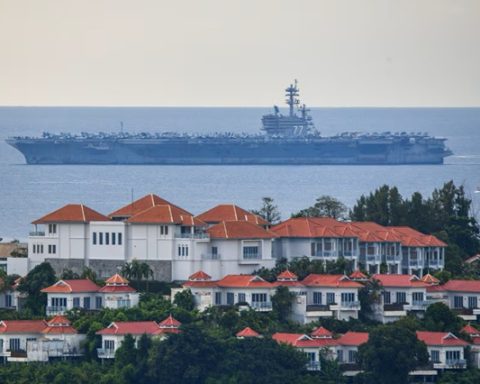
The geopolitical stakes surrounding the talks are significant. The Wall Street Journal notes that broader international actors, including Russia and China, are closely watching the outcome, as both have strategic interests in maintaining Iranian leverage in the region. The continued tension around key maritime routes such as the Strait of Hormuz has also contributed to global economic uncertainty, adding further pressure on negotiators to secure a stable agreement.
Former officials and foreign policy analysts cited in the report have warned that Iran may attempt to prolong negotiations in order to strengthen its bargaining position, while Washington seeks a rapid breakthrough to prevent further instability. Critics of the process argue that the complexity of the conflict, combined with deep mistrust on both sides, makes a lasting agreement difficult to achieve.
Former Vice President Mike Pence has also weighed in on the broader approach to Iran, advocating for a strategy of strict enforcement and deterrence in any ceasefire arrangement. His comments reflect ongoing divisions within US political circles over how best to manage relations with Tehran and whether diplomacy alone can ensure long-term stability.