


US inflation accelerated to its fastest pace in nearly two years in March, highlighting the economic fallout from escalating geopolitical tensions linked to the war between the United States and Iran and the resulting disruption to global energy markets. According to data released by the US Bureau of Labor Statistics, the Consumer Price Index rose 3.3 percent in the year to March, up from 2.4 percent the previous month. Although slightly below analyst expectations, it marked the highest inflation rate since May 2024.
The latest figures reflect the early impact of a global energy shock triggered by conflict in the Middle East, which has pushed oil and gas prices higher amid severe disruption to shipping routes, particularly through the Strait of Hormuz, a critical artery for global commodity trade. Energy markets have tightened significantly as vessel movement through the region remains constrained, feeding directly into higher fuel and transport costs across the US economy.
Monthly inflation also accelerated sharply, rising 0.9 percent in March compared with 0.3 percent in February. Fuel costs were a major driver, with petrol prices climbing more than 21 percent over the month and fuel oil rising 31 percent. Energy costs broadly surged as global oil prices remained elevated at around $100 a barrel, reflecting investor uncertainty over whether a fragile ceasefire in the region will hold or collapse into further conflict.
Rising living costs have become a growing political challenge for Donald Trump, whose approval ratings have reportedly fallen since the outbreak of the conflict following US and Israeli strikes on Iran. The inflation spike has hit American consumers directly, with petrol prices in the United States now exceeding $4 per gallon, intensifying public concern over household budgets and the cost of living.
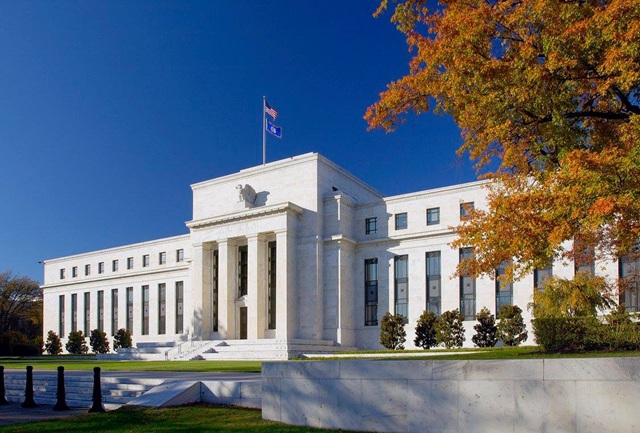
The inflation surge is also complicating the outlook for monetary policy. The Federal Reserve, which had previously been expected to begin easing interest rates, now faces renewed pressure to keep borrowing costs high or even consider further hikes if inflation proves persistent. That shift raises the prospect of political tension between the central bank and the White House, particularly as future leadership changes loom.
Market expectations for policy direction are becoming increasingly uncertain ahead of a potential transition in Federal Reserve leadership, with figures such as Kevin Warsh and current chair Jerome Powell central to speculation over the institution’s future direction. President Trump has repeatedly criticised Powell for not cutting interest rates more aggressively, underscoring the growing friction between fiscal and monetary policy priorities.
At the same time, international institutions have warned that inflation pressures could remain elevated. The Organisation for Economic Co-operation and Development recently raised its US inflation forecast by 1.6 percentage points to 4.2 percent for the year, the highest among G7 economies. Analysts say the combination of energy-driven inflation, geopolitical instability, and constrained supply routes could keep price pressures elevated well into the coming months, even if temporary ceasefires hold.









