The narrow waters of the Strait of Hormuz have long been a flashpoint for geopolitical tensions, but recent developments suggest the stakes are now far higher than oil shipments or regional security. According to reporting and analysis originating from Die Zeit, the ongoing standoff between the United States and Iran may be testing one of the foundational pillars of American global power: the supremacy of the US dollar.
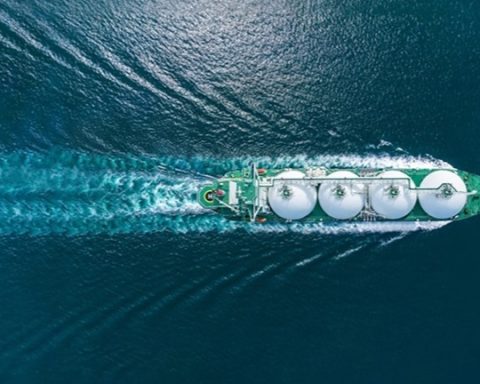
In recent days, Iran has once again disrupted maritime traffic through the strait, one of the world’s most critical oil transit routes. The move comes amid escalating confrontation with the United States, which has responded with its own measures, effectively turning the region into a high-risk bottleneck for global trade. Thousands of oil tankers and cargo ships remain stranded, underscoring the fragility of a system that carries roughly a fifth of the world’s oil supply.
At first glance, the conflict appears to center on familiar disputes—sanctions, nuclear ambitions, and regional influence. Yet beneath the surface lies a more consequential struggle. For decades, the global oil trade has been conducted predominantly in US dollars, reinforcing demand for the currency and cementing its role as the world’s primary reserve and transaction medium. This system, often referred to as the “petrodollar” framework, has granted the United States immense economic advantages.
The implications of this system are profound. Countries around the world must hold substantial dollar reserves to purchase energy and commodities. These reserves are frequently reinvested into US assets, including government bonds, effectively financing American deficits at relatively low cost. This dynamic, once described by French officials as an “exorbitant privilege,” has enabled Washington to sustain levels of debt that would be untenable for most other nations.
What is now unfolding in the Strait of Hormuz threatens to disrupt this long-standing arrangement. Iran has reportedly begun demanding transit payments from shipping companies navigating the strait, but with a critical twist: payments are not being accepted in US dollars. Instead, alternatives such as Chinese yuan, cryptocurrencies like Bitcoin, and the stablecoin USDT are being used.
This shift, while seemingly tactical, carries strategic consequences. By forcing companies to transact in currencies other than the dollar, Iran is effectively creating parallel financial channels that bypass the traditional US-dominated system. For countries and corporations already wary of American sanctions or seeking to diversify financial exposure, the appeal of such alternatives is growing.
China stands to benefit significantly from this development. As the largest importer of oil passing through the strait, it has a vested interest in reducing reliance on the dollar. Increased use of the yuan in energy transactions could accelerate its rise as a global trade currency. While the yuan still lags far behind the dollar as a reserve currency, its role in trade finance has expanded rapidly in recent years, reflecting a broader shift in the global economic landscape.
The use of cryptocurrencies adds another layer of complexity. Unlike traditional financial transactions, which typically pass through regulated banking systems, cryptocurrency payments operate on decentralized networks. This makes them far more difficult for governments to monitor or control. For countries like Iran, which have been subject to extensive US sanctions, such tools offer a means of circumventing restrictions that have long constrained their economic activity.
The power of the dollar has never rested solely on its widespread use. It is also rooted in the ability of the United States to enforce its financial rules globally. Because most dollar transactions eventually pass through US-regulated institutions, Washington can exert significant influence over international commerce. Banks and companies that violate US sanctions risk severe penalties, reinforcing compliance even among foreign entities.
However, as Die Zeit highlights, the current situation demonstrates that this control is not absolute. If transactions increasingly occur outside the dollar system—whether in yuan, digital currencies, or other alternatives—the reach of US financial authority could diminish. Even if such changes begin on a limited scale, they may establish precedents that encourage broader adoption.
The global response to these shifts has been cautious but telling. Several countries have already taken steps to reduce dependence on the dollar in bilateral trade. Russia and China, for instance, now conduct the vast majority of their trade in their own currencies. India has experimented with paying for oil imports in rupees. Meanwhile, Saudi Arabia has signaled a willingness to accept multiple currencies for its oil exports, marking a significant departure from decades of exclusive dollar transactions.
These developments do not signal an immediate collapse of the dollar’s dominance. Structural advantages remain firmly in place, including the depth and liquidity of US financial markets. The market for US Treasury bonds continues to offer unmatched stability and accessibility, making it a preferred destination for global capital. For many countries, especially those with trade imbalances, holding dollars remains the most practical option.
Yet the direction of change is becoming increasingly clear. The dominance of any global currency ultimately depends on trust—trust in the issuing country’s economic stability, political system, and policy decisions. In this context, internal developments within the United States may prove just as significant as external challenges.
Recent economic policies, including rising debt levels, trade tensions, and political pressure on monetary institutions, have raised questions about the long-term stability of the dollar. Some analysts argue that these factors, combined with the emergence of viable alternatives, could gradually erode confidence in the currency.
The Strait of Hormuz, then, is more than a geographic chokepoint. It has become a testing ground for a shifting global order. The decisions made by governments, corporations, and financial institutions in response to this crisis may shape the future of international trade and finance for decades to come.