As many as 45 million people worldwide could be pushed into acute food insecurity this year as the ongoing war in the Middle East drives what the World Bank describes as the largest oil shock in history. The warning comes amid rapidly rising energy costs, disrupted supply chains, and worsening global inflation that is expected to hit the poorest populations the hardest.
According to the World Bank, damage to energy infrastructure in the Middle East during the conflict has removed around ten million barrels of oil per day from global supply. This sudden contraction has sent energy prices sharply higher and intensified pressure on global inflation. The institution warns that rising costs will cascade through economies, first through energy markets, then food systems, and eventually broader inflation that could force higher interest rates worldwide.
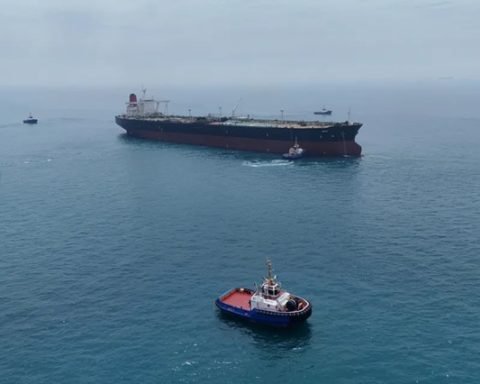
The impact on food security is expected to be severe. The World Bank estimates that soaring living costs could push up to 45 million people into acute food insecurity if the conflict continues. Fertiliser shortages, driven by disruptions in trade routes and the effective closure of the Strait of Hormuz, are compounding the crisis. The waterway, a critical global shipping artery between Iran and Oman, has become increasingly unstable due to regional hostilities, restricting the flow of key agricultural inputs.
World Bank Chief Economist Indermit Gill said the crisis is unfolding in successive waves, beginning with energy price spikes and extending into food inflation and broader financial tightening. He warned that the combined effect will increase borrowing costs and deepen debt burdens, particularly in developing economies already under strain.
Oil markets have reacted sharply, with prices surging back above $110 a barrel, more than 50 percent higher than pre-conflict levels. The World Bank now expects Brent crude to average $86 per barrel this year, up significantly from last year’s average of $69. Fertiliser prices are also projected to rise steeply, with a forecast 31 percent increase in 2026, driven largely by a 60 percent surge in urea costs, pushing affordability to its worst level since the war in Ukraine began.
Global inflation is expected to rise in parallel. The World Bank projects inflation in the world’s poorest countries to average 5.1 percent this year, higher than earlier forecasts made before the outbreak of the Iran conflict. Economic growth in these countries is also expected to slow to 3.6 percent in 2026, down from previous projections of 4 percent, reflecting weakening demand and rising input costs.
Governments across Asia have already begun implementing emergency measures in response to the energy crisis. Countries heavily dependent on Middle Eastern imports have introduced rationing policies, including restrictions on electricity use in Thailand, scheduled weekly public holidays in Sri Lanka to conserve energy, and public advisories in Vietnam encouraging carpooling and bicycle use to reduce fuel consumption.
The conflict has also begun to affect advanced economies, where rising costs are feeding into inflation expectations. Economists warn that central banks may be forced to maintain or even increase interest rates in response, a move that could further strain developing nations by raising the cost of servicing external debt.
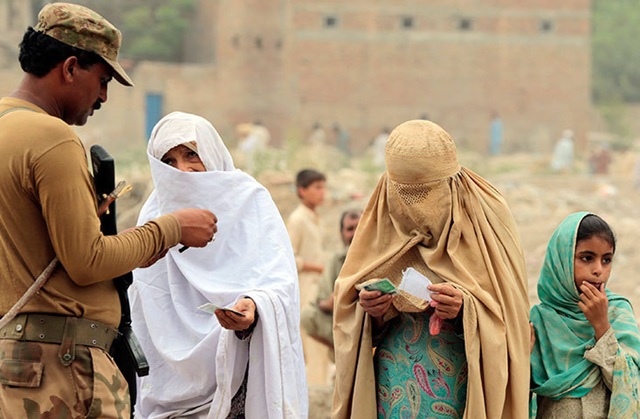
World Bank officials have described the situation as a stark reversal of development gains, emphasizing that the poorest populations are disproportionately affected due to their higher share of income spent on food and energy. The unfolding crisis underscores how geopolitical conflict in a key energy-producing region can rapidly escalate into a global humanitarian and economic emergency.