


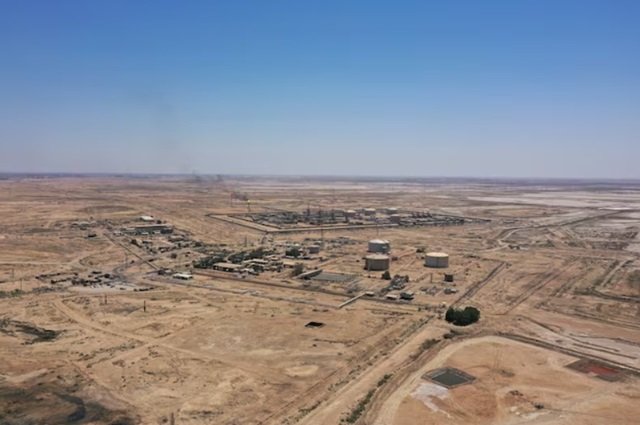
Iraq could be forced to consider all available options regarding its future within OPEC if its oil production quota is not significantly increased, a senior Iraqi oil ministry official told Reuters on Thursday, highlighting growing tensions over the country’s production limits amid mounting economic pressures.
According to the official, Iraq views a substantial increase in its OPEC quota as an urgent necessity and believes the issue should be treated with the highest level of seriousness. The official said the country is facing a critical financial crisis linked to the war involving Iran, intensifying pressure on the government to secure greater oil production capacity.
Separate sources told Reuters that Iraqi officials had discussed the possibility of leaving OPEC during internal deliberations. However, those sources said the current position is to remain within the organization while pursuing a higher production quota through negotiations.
The comments raise questions about the future relationship between Iraq and the oil-producing alliance at a time when OPEC has already experienced changes to its membership structure. The prospect of Iraq reconsidering its position would represent a significant development for the organization, given the country’s historic role within the group.
Iraq is one of the five founding members of OPEC, and the organization was originally established in Baghdad. Its status as a founding nation has long positioned the country as a central participant in the group’s efforts to coordinate oil production policies among member states.
The Iraqi official’s remarks come as OPEC and its wider alliance continue to manage production levels across global energy markets. OPEC+, the broader coalition that includes OPEC members and allied oil-producing countries such as Russia, coordinates output policies aimed at influencing market stability and supply levels.
Sources familiar with the matter indicated that Baghdad’s primary objective remains securing a larger production allocation rather than pursuing an immediate withdrawal from the organization. Iraqi officials are seeking adjustments that would allow the country to increase output and generate additional revenue at a time of heightened economic strain.
OPEC did not immediately respond to Reuters’ request for comment regarding the statements from Iraqi officials.
The issue of production quotas remains a critical element of OPEC’s internal decision-making process, with member countries often balancing national economic priorities against collective production agreements. Iraq’s call for a significant quota increase underscores the financial challenges facing the country and signals that the outcome of future discussions within the group could have broader implications for both Iraq and the organization.
While Iraqi officials continue to advocate for a larger production allocation, the country’s current plan remains focused on maintaining membership in OPEC and pursuing its objectives from within the organization, according to sources cited by Reuters.










