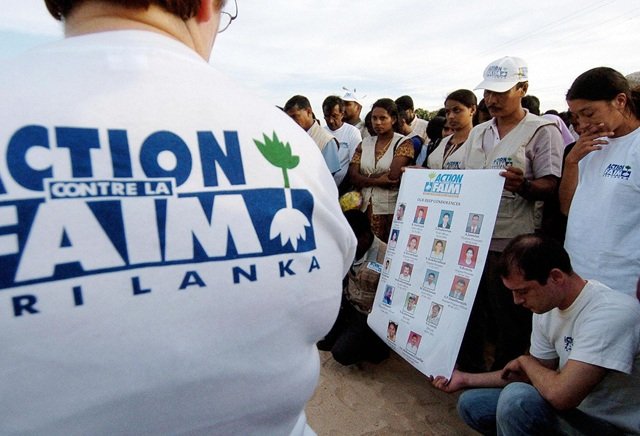
UN experts have urged the Government of Sri Lanka to take immediate steps to ensure accountability for the killing of 17 humanitarian workers in the eastern town of Muttur, marking 20 years since one of the deadliest attacks on humanitarian personnel during the country’s armed conflict. Calling for truth, justice and comprehensive reparation for the victims’ families, the experts said those responsible for the killings have yet to be arrested, prosecuted or punished despite the passage of two decades.
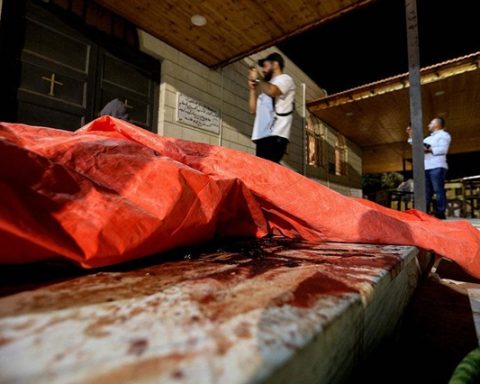
The appeal comes on the anniversary of the 4 August 2006 massacre, when, amid intensifying hostilities between the Sri Lankan Army and the Liberation Tigers of Tamil Eelam (LTTE), 17 national staff members of Action Against Hunger (ACF) were found executed at their compound in Muttur. Most of the victims had sustained gunshot wounds to the head. At the time, ACF was the only international non-governmental organisation continuing to provide water, sanitation and hygiene services to the local population.
“The victims were not combatants. They were humanitarian workers providing life-saving assistance to civilians caught in armed conflict,” the UN experts said. They added that the killings not only represented a devastating attack on humanitarian personnel but also severely undermined the delivery of essential assistance to communities affected by the conflict.
According to the experts, successive international investigations have concluded that there are reasonable grounds to believe members of Sri Lanka’s security forces were responsible for the killings. They cited the OHCHR Investigation on Sri Lanka (OISL), published in 2015, among the inquiries reaching that conclusion. At the same time, they said domestic commissions of inquiry were undermined by evidentiary failures, inadequate witness protection and political interference. They also referred to the 2008 withdrawal of the International Independent Group of Eminent Persons (IIGEP), which had overseen the process before citing a “lack of political will” to pursue accountability.
“Nearly 20 years later, those responsible have still not been arrested, prosecuted or punished,” the experts said, arguing that the continued absence of accountability has prolonged the suffering of the victims’ families and eroded confidence in the rule of law. They stressed that accountability is necessary not only to honour those who were killed but also to reaffirm that attacks against humanitarian personnel will never be tolerated and must never go unpunished.
The experts also highlighted the broader humanitarian consequences of the killings, noting that the deaths of the ACF staff had direct and foreseeable implications for the human rights of more than 325,000 highly vulnerable displaced people in the area. They said disruptions to well rehabilitation programmes, the Kantalai water treatment plant, food distribution and agricultural support increased the population’s exposure to unsafe drinking water, malnutrition and water-borne diseases at a time when humanitarian assistance was indispensable for survival.
In addition to the impact on affected communities, the experts said the victims’ families had endured two decades of waiting, threats and displacement without answers or effective remedy. They warned that the prolonged suffering experienced by relatives may itself amount to cruel, inhuman or degrading treatment.
The experts further noted that the massacre had a wider chilling effect on humanitarian operations in Sri Lanka. More than 2,000 aid workers left the northern and eastern provinces in the months following the attack, contributing to a continued shrinking of humanitarian space until the end of the conflict in 2009.
Linking the Muttur killings to wider global concerns, the experts said impunity for attacks on humanitarian personnel sends a devastating message. They noted that 2025 was the deadliest year on record for aid workers worldwide, with more than 1,000 aid workers killed between 2023 and 2025, warning that the absence of accountability in cases such as Muttur risks fuelling this trend.
The experts called on the Government of Sri Lanka to immediately open, or reactivate, a prompt, independent, impartial and effective investigation into the Muttur massacre, provide comprehensive reparation to the victims’ families, and guarantee the protection of all those wishing to mark the 20th anniversary. They confirmed that they remain in contact with the Government of Sri Lanka on the matter.