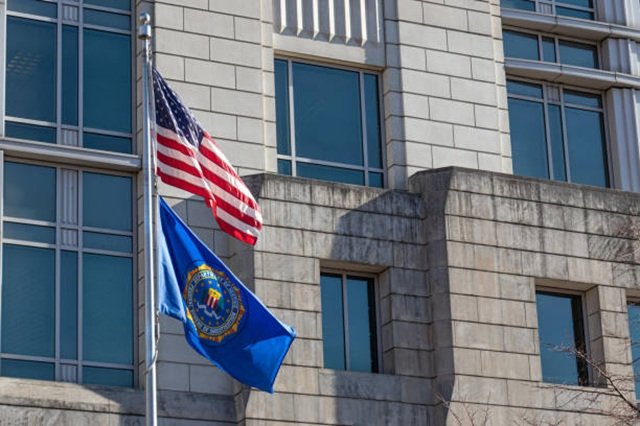
Patrick Steven Yaroch, a former special agent with the United States Federal Bureau of Investigation (FBI), has admitted to stealing approximately US$1 million in cryptocurrency from digital wallets that were under investigation by the agency, according to his statement before the federal court for the Eastern District of Virginia. The case centres on an experienced counterintelligence investigator who, after years of pursuing threats to US national security, confessed to unlawfully accessing cryptocurrency linked to a foreign investigation before surrendering to authorities in late July.
Yaroch served as an FBI special agent whose work primarily focused on counterintelligence, the mishandling of classified information and espionage. He had also received specialist training in cryptocurrency investigations, a combination of expertise that prosecutors say enabled him to exploit internal systems. According to the sworn affidavit, Yaroch met with a colleague from the Department of Justice on 29 July to discuss personal matters before becoming visibly emotional as he recounted his actions.
During the meeting, Yaroch confessed that he had made what he described as serious mistakes involving cryptocurrency wallets. He told investigators that between 2024 and 2025 he had been investigating an individual connected to “an adversary nation”, although the court document does not identify the country. Frustrated by what he believed was the FBI’s inability or unwillingness to disrupt that individual’s use of cryptocurrency, Yaroch said he “lost control” and decided to intervene on his own.
According to his account, he accessed internal FBI systems, located the private keys required to gain control of the digital wallets under investigation and transferred cryptocurrency from those wallets into accounts under his control. Yaroch estimated that he carried out between 10 and 12 transfers, although he could not specify the precise amount because the funds had become mixed with his personal cryptocurrency holdings. He maintained that he neither spent nor transferred the assets after taking them and that they remained in his digital wallet, where they were valued at approximately US$1 million.
Yaroch told his colleague that overwhelming guilt and shame had driven him to confess. He said his actions had been consuming him emotionally and that he wanted to “get it off his chest”. Later that same day, he reported himself to the FBI, which subsequently searched his home in Ashburn, Virginia.
The judicial investigation also uncovered internet searches and conversations that prosecutors believe formed part of the wider case. In May, Yaroch asked ChatGPT: “If I had one million dollars, how would you suggest I invest it to maximise profits and returns?” He told the artificial intelligence service that he was 37 years old, had a wife and one child, and intended to retire at the age of 40. ChatGPT suggested relocating to Cilento in Italy or Portugal and purchasing either a vineyard or a farm.
The conversation continued with Yaroch asking: “If you had a large amount of money (one million dollars) and wanted to leave the United States and become a resident or citizen of an EU country, what would you do?” ChatGPT responded that it would not begin by seeking citizenship and identified Portugal as its primary recommendation.
Following those exchanges, Yaroch booked a trip to Lisbon from 3 to 11 September 2026 to meet friends, a journey he is now unlikely to make. On 31 July, FBI agents transferred the cryptocurrency from Yaroch’s wallets into accounts controlled by the US government before arresting the former agent at his residence. At present, he has not been charged with cryptocurrency theft but instead faces a charge of interstate transfer of stolen property.
The case is not without precedent. In Spain, authorities recovered €17 million in cryptocurrency in September 2024 in one of Europe’s largest-ever digital asset seizures. After police arrested the alleged leader of the criminal network and secured the digital wallets and their private keys in a vault, the funds later disappeared. Investigators concluded that a judicial official had allegedly stolen the keys, concealed them inside a small paper ball hidden beneath a door frame and ultimately took control of the cryptocurrency.