Spanish investigators are examining an alleged money-laundering network used to conceal the proceeds of a major cocaine trafficking operation centred on the port of Valencia, with suspected funds traced through property companies, transport businesses, a fitness and nutrition clinic and cryptocurrency transactions.
According to documents obtained by EL PAÍS, Vicente Ríos, the judge at Valencia Court of Instruction No. 15, is investigating the financial structure surrounding a network accused of storing 4.5 tonnes of cocaine, estimated to be worth €60 million on the market. The inquiry forms a separate, secret money-laundering investigation linked to Operation Spider, a criminal network dismantled in 2025.
The judge has spent more than two years investigating the wider case and, over the past two weeks, has focused on 11 of the 81 alleged drug traffickers arrested by the Policía Nacional in July 2025. Investigators reportedly link the 11 suspects to seven companies, with relatives and alleged frontmen suspected of helping move and conceal the proceeds.
Among the companies under scrutiny is a Valencian property and asset-management firm with share capital of €610,000. One of its partners is allegedly Ivan T., described in the investigation as being at the top of the organisation’s hierarchy, while his wife is listed as its administrator.
Another company under investigation is a freight transport business in Beniparrell, Valencia, which had 10 employees and sales of €1.2 million in 2024, according to the Mercantile Registry. The father of one of the suspects is also allegedly connected to another transport company under investigation.
The suspected corporate network also includes a construction company in Alboraya, Valencia, with no employees and share capital of €142,589. Investigators link the company to the first cousin of an alleged drug trafficker. A training and nutrition clinic in Valencia is also under scrutiny. One of its partners, who is under investigation in the case, controls 30 per cent of its shares but does not appear on any of the company’s three bank accounts.
The judge suspects that the alleged traffickers used a network of relatives and frontmen to move the money while concealing their connection to the proceeds. He has requested information on the companies from Spain’s Social Security administration and Tax Agency and ordered investigators to trace the assets of the 11 suspects, including bank accounts, shares, deposits, insurance policies and safe-deposit boxes.
A central figure in the investigation is an alleged “property fixer”, Miguel M., whom the judge describes as a trusted associate of the principal suspects. According to the investigation, he created shell companies without apparent activity that could be used as platforms for registering property.
Miguel M. is also allegedly linked to a Valencian cryptocurrency trading company with 33 employees that recorded sales of more than €35 million in 2022, the last year for which it filed accounts. He appears as joint administrator of the company, which investigators say was used to arrange transfers of properties to principal suspects. EL PAÍS said it had unsuccessfully sought the cryptocurrency company’s response.
The investigation has also uncovered an alleged scheme involving a false divorce. Ramón B. is accused of transferring his assets to his wife through what investigators describe as an instrumentalised separation in order to protect the property from seizure. Investigators reportedly found that, despite divorcing in 2023, the couple stayed together in the same hotel room. They are also examining monthly payments made as child maintenance for their two daughters and a €622,000 luxury apartment purchased by the couple.
The money-laundering inquiry adds a new financial dimension to Operation Spider, which exposed one of Spain’s major drug-trafficking networks. The operation resulted in 81 arrests in July 2025, including 17 dockworkers, nine lorry drivers and a Guardia Civil officer.
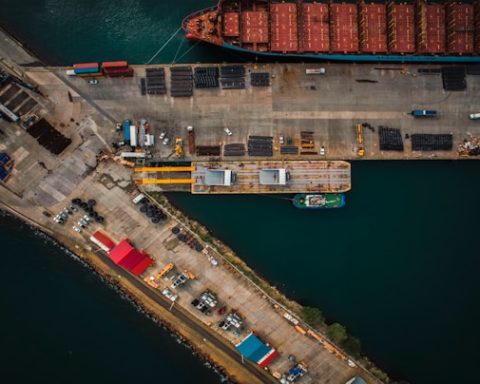
According to the investigation, the organisation supplied the market for three years through the port of Valencia, described as Europe’s third-largest entry point for cocaine after Antwerp and Rotterdam. The cocaine was allegedly distributed at a rate of €14,000 per kilogramme.
The latest investigation is therefore focused not only on the movement of the drugs, but on the financial mechanisms allegedly used to turn their proceeds into apparently legitimate assets and business activity.