Turkey has released 106 demonstrators detained during a protest against a nationwide crackdown on LGBTQ people, activists and organisations, while courts have continued to order the detention of others in an expanding investigation that has drawn concern from rights groups and the European Union.
The 106 protesters were arrested on Tuesday after gathering outside Istanbul’s Palace of Justice to condemn raids carried out by Turkish security forces against members and activists of the LGBTQ community. The Turkish Lawyers’ Association (CHD) confirmed on Wednesday evening that all 106 had been released. Among those detained were an ARD journalist and a BirGün reporter, both of whom had reportedly been covering the demonstration. The release was also reported by AFP, which said the protesters had been detained for about 36 hours.
The demonstration had been organised with the participation of human rights activists, trade unions and opposition groups. Activists had planned to read a statement condemning the raids, but police broke up the gathering before they could deliver it and arrested numerous participants. The arrests turned the courthouse protest into another episode in a rapidly widening confrontation between Turkish authorities and LGBTQ organisations and their supporters.
The protest followed raids on Sunday targeting LGBTQ activists, venues and homes in several major cities, including Istanbul, Ankara and İzmir. According to government officials cited in the supplied material, proceedings had been initiated against 162 suspects, nine organisations and 13 companies. Authorities accused those targeted of disseminating “obscene content” and “aiding and abetting prostitution”. Numerous websites and accounts on online services were also blocked.
The scale of the operation became clearer as the week progressed. By Wednesday evening, courts in several cities had ordered pre-trial detention for 81 of those arrested on Sunday, according to the LGBTQ organisation Kaos GL, which was itself targeted in the raids. On Wednesday, a further 33 people were brought before a judge in Istanbul. Kaos GL said 20 were detained, while 13 were released on bail. At least nine of those detained were representatives of LGBTQ organisations.
A separate court decision added to the pressure on Kaos GL. Eight members of the organisation were jailed pending trial after prosecutors accused them of disseminating obscene content, citing their roles within the organisation and their social media activities. Seven other Kaos GL members, including a journalist, were released under judicial supervision, according to Reuters.
The government has presented the wider operation, dubbed “My Family Is Safe”, as a measure intended to protect children and the institution of the family. Turkish Justice Minister Akin Gurlek said the investigation involved 162 suspects, nine associations and 13 businesses across the country. Authorities have also blocked access to websites and social media accounts linked to some LGBTQ organisations.
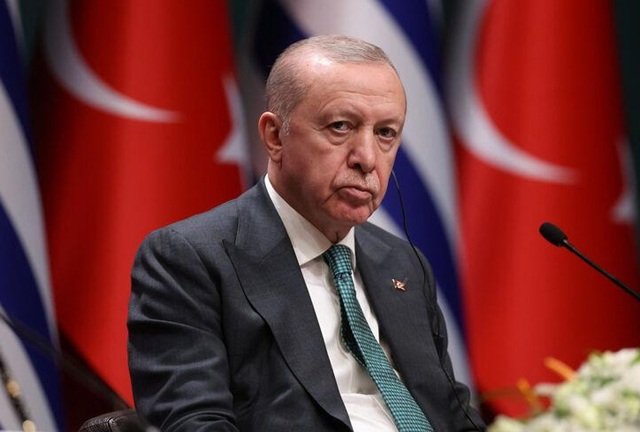
The operation has placed the question of LGBTQ rights alongside wider concerns about civil liberties and the treatment of journalists and human rights defenders. Homosexuality is not a crime in Turkey, but the supplied material notes that homophobia is widespread. President Recep Tayyip Erdoğan has repeatedly described members of the LGBTQ community as “perverts”, while the government has defended the raids as necessary to protect traditional family values.
The developments have also attracted international concern. The Council of Europe’s Commissioner for Human Rights, Michael O’Flaherty, called for people detained for exercising their rights and defending human rights to be released. The European Union likewise expressed concern over the arrests, legal proceedings against LGBTQ activists, human rights associations and businesses, as well as the blocking of online accounts. Christian Wigand, a spokesman for the European Commission, said Turkey should ensure respect for human rights and dignity regardless of gender identity or sexual orientation.
For Turkey’s LGBTQ community, the latest arrests come amid increasing restrictions on organisations and events. LGBTQ and women’s rights activists are described in the supplied material as among the main centres of resistance to the country’s Islamic-conservative government, which has been in power since 2002. Turkey’s long-running European Union membership bid has also remained frozen in recent years, although the country continues to be an important trade and political partner.
The release of the 106 Istanbul demonstrators therefore provides only a limited pause in a much broader sequence of arrests, court proceedings and restrictions. While those protesters have returned to freedom, dozens of LGBTQ activists and representatives remain detained or jailed as the nationwide investigation continues, leaving the authorities’ campaign and its implications for rights and public expression at the centre of international attention.