In 2024, after Anura Kumara Dissanayake became President, the Russian Ambassador met with him and delivered a special message from Russian President Vladimir Putin. The message included an invitation to attend the BRICS Summit to be held in Russia.
Anura’s response to the Ambassador was that he could not attend the summit because of the forthcoming general election.
Russia subsequently hosted the 16th BRICS Summit, while India hosted the 18th BRICS Summit. However, Anura did not receive an invitation from India to attend the summit in India.
Sri Lanka had formally submitted its application to join BRICS in 2024, during the Ranil Wickremesinghe government. Russia held its BRICS Summit after receiving Sri Lanka’s request to join the grouping. The Russian invitation to Anura came after Sri Lanka had submitted its application for membership, but Anura did not attend the summit.
Nearly two years have now passed since Sri Lanka submitted its request to join BRICS, yet no encouraging response has been received.
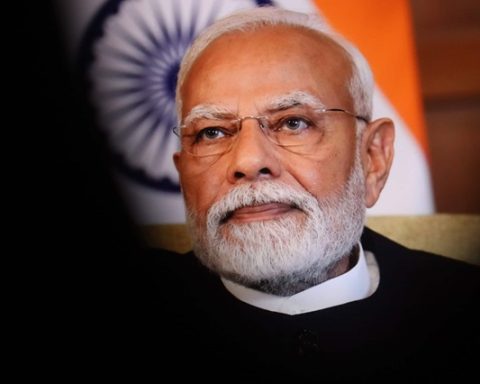
Anura subsequently met Indian Prime Minister Narendra Modi and requested India’s support for Sri Lanka’s bid to join BRICS. Although India reportedly promised its full support, nothing concrete has emerged so far.
The next BRICS Summit is scheduled to be held in China.
Against this backdrop, it remains unclear whether the Anura government genuinely intends to pursue BRICS membership, particularly given concerns about how the United States might respond.
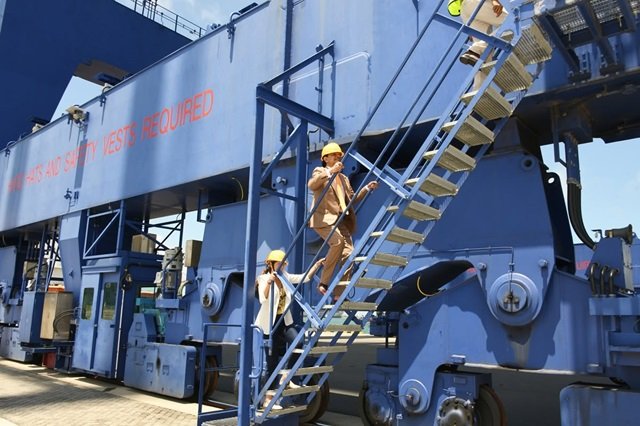
A few days before the BRICS Summit in India, the head of the U.S. Maritime Administration, Laura Di Bella, and Commissioner Robert J. Harvey visited Sri Lanka. After meeting senior government officials, they toured the Colombo Port and attended an international maritime conference.
Prior to this visit, the Governor of the Western Province and the Deputy Minister of Ports had attended the U.S. Forum on Indian Ocean Ports and Supply Chains in Washington. They also held discussions with U.S. officials.
Following these engagements, the U.S. Maritime Administration chief and the commissioner visited Sri Lanka. During their visit, the Minister of Ports requested U.S. assistance with the construction of the second West Container Terminal and the expansion of Colombo Port’s breakwater system. The two sides held discussions on these matters.
The U.S. Maritime Commission also agreed to provide USD 15 million to help transform the Colombo Port through digitalisation.
The United States is closely watching the Colombo Port as part of its strategic plans for maritime engagement in South Asia.
This strategic approach is being pursued with China’s Belt and Road Initiative firmly in view. With the ongoing war involving Iran, the United States attaches even greater importance to this strategy.
At a time when the United States is increasing its focus on the Colombo Port, Sri Lanka cannot afford to ignore the possibility of the major power in South Asia aligning more closely with China.