Donald Trump’s latest moves over Russia’s war against Ukraine have increased pressure on Kyiv while offering Russian President Vladimir Putin potential economic and diplomatic advantages, according to an analysis published by the German newspaper Die Zeit. With US midterm elections approaching on 3 November, Trump has combined demands for Ukrainian concessions with a proposed temporary suspension of sanctions on Russian diesel exports, raising concerns about the consistency of American policy towards the conflict.
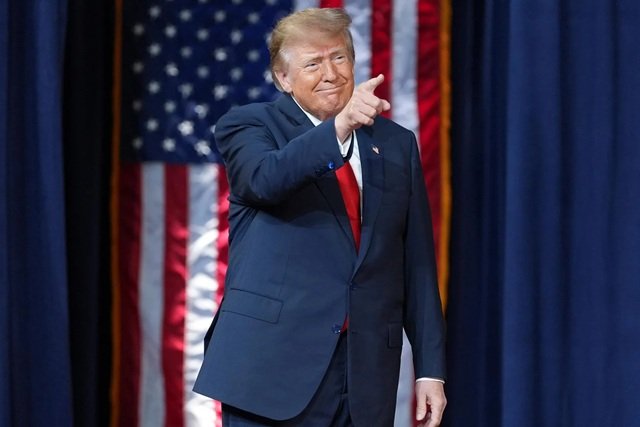
Trump has repeatedly framed the war as a contest over bargaining power, arguing that Zelenskyy lacks the leverage necessary to negotiate a favourable agreement with Moscow. His latest intervention came on Saturday, when he suggested that Ukraine should replace its president. “I suggest they get a new leader who can make a deal,” Trump said, claiming that Zelenskyy had repeatedly had opportunities to end the war but had declined them “for some reason”.
The Ukrainian government’s position is that a settlement must account for the terms imposed by Russia and the consequences for Ukraine’s security. Die Zeit argues that a lasting ceasefire or peace agreement achieved entirely at Ukraine’s expense would not constitute a genuine deal, particularly because Putin has shown no willingness to make concessions and appears prepared to prolong the conflict as winter approaches. The prospect of another severe winter also increases the importance of attacks on energy infrastructure, which affect the facilities needed to supply electricity and heating.
On Sunday, Trump announced on his Truth Social platform that Russia and Ukraine had agreed to stop attacking each other’s energy infrastructure. The announcement followed his criticism of Ukrainian strikes on Russian oil refineries, which he had demanded Zelenskyy stop the previous day in emphatic terms. Trump did not similarly address Russia’s continuing attacks on Ukrainian energy facilities. The report noted that this was not the first time the US president had announced an apparent agreement of this kind.
Zelenskyy disputed Trump’s account. According to the US news website Axios, the Ukrainian president said the proposed arrangement was new to him. In an interview with ABC’s This Week, he said he would organise elections if Russia agreed to a full 60-day ceasefire. In his evening video address, Zelenskyy again expressed willingness to accept a pause in hostilities, provided Moscow agreed to the same conditions.
Later on Sunday, Ukrainian officials reported that Russia had attacked a power plant in Kyiv and a heating plant in Kharkiv, one of Ukraine’s largest cities. The reported strikes illustrated the continuing difficulty of establishing a reciprocal halt to attacks on energy infrastructure while the two sides remain at odds over the terms and implementation of a ceasefire.
The dispute also involved allegations that Washington had threatened to suspend intelligence-sharing with Ukraine and halt weapons procurement in an effort to compel Kyiv to stop attacking Russian energy installations. The Financial Times and Reuters reported the alleged pressure before Trump announced the energy ceasefire. The president had not publicly commented on the matter beyond his social media post at the time covered by Die Zeit.
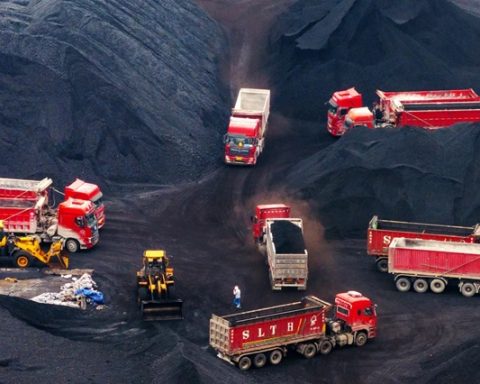
The administration’s reported pressure on Kyiv contrasted with Trump’s decision to ease restrictions affecting Russian diesel exports. On Friday, following a telephone conversation with Putin, the president announced a temporary suspension of sanctions on Russian diesel exports. The proposed arrangement was intended to ease pressure on energy prices, but it also risked reducing the economic pressure on Moscow to make concessions in peace negotiations.
Seven US senators, from both the Democratic and Republican parties, criticised the planned imports as unlawful. In a joint statement, they said Congress had prohibited imports of Russian energy products in 2022 to prevent the United States from financing Russia’s war against Ukraine. “President Trump’s decision to allow Russian imports stands in direct contradiction to this law,” they said. The senators argued that Washington should not provide Putin with “a lifeline” while Russian forces continued killing Ukrainian civilians, and called on the administration to reverse its course.
Domestic political pressures provide an important part of the context for Trump’s decisions. According to Die Zeit, polling ahead of the 3 November midterms showed Republicans facing the possibility of losing their majority in the House of Representatives and potentially suffering losses in the Senate. The newspaper reported that an average of 60 per cent of respondents disapproved of Trump’s performance. Some Republican candidates were distancing themselves from the president during their campaigns, while Vice-President JD Vance was making appearances in states where conservatives had previously felt confident about their electoral prospects.
The proposed diesel arrangement was also linked to the administration’s efforts to address the rising cost of living, a central issue in the election campaign. Trump argued on Truth Social that the agreement would lower diesel prices in the United States and worldwide. However, experts cited in the Die Zeit analysis questioned whether the arrangement would produce that result. The newspaper connected the political urgency surrounding energy prices to the separate war in Iran, for which Trump bears direct responsibility and which he had been unable to resolve. On Friday, he claimed on Truth Social that the United States had “TOTAL CONTROL” of the Strait of Hormuz, a statement the report described as false.
The diplomatic consequences extend beyond Washington and Kyiv. Trump’s latest changes in direction have complicated efforts by Ukraine’s Western supporters to isolate Russia internationally and maintain pressure on Putin. Following the previous NATO summit in Ankara, European governments had expressed cautious optimism after Trump indicated that Ukraine would be permitted to build Patriot air-defence systems and spoke of having a “good relationship” with Zelenskyy. The subsequent diesel announcement and renewed criticism of the Ukrainian president weakened that optimism.
Die Zeit also questioned the reliability of the American negotiating process under Trump, arguing that the United States remained central to any potential peace negotiations but could no longer be regarded as a consistent partner for Ukraine. It expressed doubts about the roles of Trump’s envoys Steve Witkoff and Jared Kushner, suggesting that their visits to Moscow could be driven more by personal business interests than by Ukraine’s interests. Europe, the analysis argued, had increasingly been forced to manage successive episodes of tension with the American president.
Germany’s response reflected growing concern about Washington’s approach. German Foreign Minister Johann Wadephul met his Russian counterpart, Sergei Lavrov, on the sidelines of the United Nations General Assembly in New York. It was the first bilateral meeting between German and Russian foreign ministers since January 2022, marking a change in Germany’s approach to diplomatic engagement with Moscow. The meeting also signalled an effort to ensure that the United States was not the only Western power dealing directly with Russia.
“We need not less, but more pressure on Putin so that he is prepared to negotiate,” Wadephul said on Sunday, reaffirming that Germany remained firmly on Ukraine’s side.
Trump had also invited Putin to attend the G20 summit scheduled for December in Miami. The invitation initially attracted cautious optimism in New York that it might form part of an effort to increase pressure on Moscow. Less than three weeks later, Die Zeit assessed it instead as another instance of Trump flattering the Russian president, as his latest decisions shifted pressure towards Kyiv while easing restrictions on Russia.