South Korea’s ambassador to the United States has said Washington’s concerns over intelligence cooperation between the two allies remain unresolved, identifying information sharing as the most difficult issue in bilateral relations amid wider discussions over nuclear cooperation and security policy.
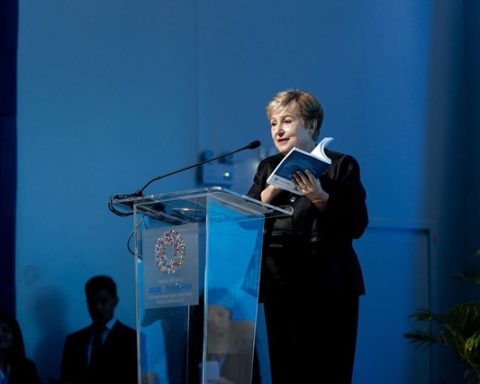
Ambassador Kang Kyung-wha made the remarks during a parliamentary audit in Washington, according to South Korea’s Yonhap News Agency. She said Seoul had not yet fully met US expectations on intelligence cooperation, although communication between the intelligence agencies was continuing and progress had been made.
Kang said US Secretary of State Marco Rubio raised the issue during talks with South Korean Foreign Minister Cho Hyun last month. She did not disclose the details of Washington’s concerns. She also said her access to senior White House officials had been limited. South Korea’s Foreign Ministry did not immediately respond to a Reuters request for comment.
The dispute follows South Korean media reports that Washington had asked for Seoul’s National Intelligence Service to be excluded from a June meeting involving US and Japanese officials on North Korean cyber threats. South Korea’s intelligence agency described the episode as a misunderstanding arising from an earlier incident that had since been resolved.
The agency acknowledged restrictions on some intelligence connected to the dispute but denied reports that Washington had reduced the sharing of information about North Korean missiles or cut the overall flow of intelligence to Seoul.
The disagreement has reportedly been linked to remarks by South Korea’s unification minister identifying Kusong in North Korea as a site housing a uranium enrichment facility. Washington reportedly objected that the remarks amounted to a unilateral disclosure of intelligence shared by the United States.
The intelligence dispute comes as Seoul seeks greater autonomy in its civilian nuclear programme. Kang said South Korea and the United States were discussing ways to secure South Korean rights to enrich uranium and reprocess spent nuclear fuel, either by revising their existing civil nuclear agreement or through an additional arrangement.
Kang also said there had been no progress towards arranging a summit between US President Donald Trump and North Korean leader Kim Jong Un, despite Trump signalling that he was open to dialogue with Pyongyang.
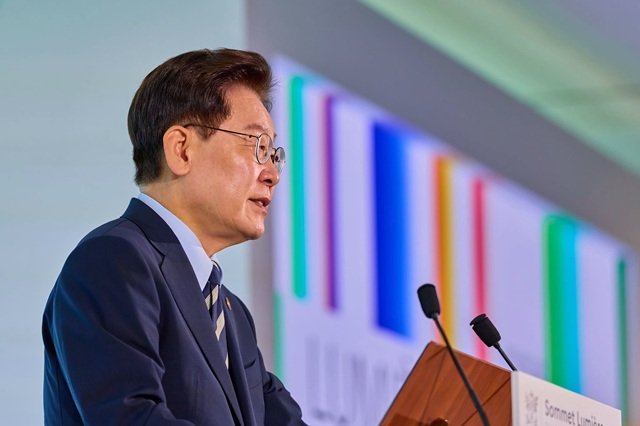
South Korean President Lee Jae Myung addressed the broader relationship with Washington at a Cabinet meeting in Seoul on Tuesday, stressing that the alliance remained central to the country’s diplomacy while insisting that relations with other countries should be conducted on the basis of national interests rather than deference.
“Diplomacy should be pursued in a way that always upholds South Korea’s dignity and safeguards its national interests (while) any submissive or kowtowing stance should be shunned,” Lee said.
“The guiding principle of South Korea’s diplomacy is pragmatism. The most important thing for South Korea is its national interests,” he added.
Lee described the South Korea-US alliance as “very important” and the main axis of Seoul’s diplomacy, saying it should be further developed. He acknowledged that differences between countries were inevitable but said they should be addressed through continued discussion and coordination.
“(Differences) should be continuously debated, raised and coordinated,” Lee said, adding that the aim should be to keep disagreements within “a manageable level”.
His remarks came as South Korea continued to navigate the intelligence-sharing dispute while seeking to maintain its security partnership with Washington. The president’s comments emphasised the need to preserve the alliance while ensuring that disagreements were addressed through consultation rather than allowing them to undermine bilateral cooperation.