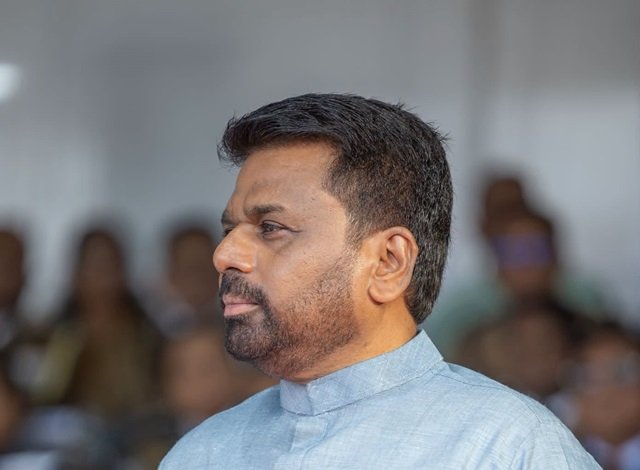
Sri Lanka is preparing to enter a new agreement with the International Monetary Fund (IMF), with President Anura Kumara Dissanayake saying the government is ready to pursue a growth-focused arrangement while protecting the economic stability achieved under the current bailout programme.
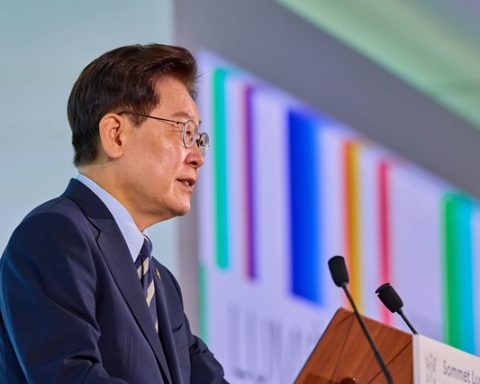
Speaking at the Sri Lanka Economic and Investment Summit 2026 in Colombo on 12 October, Dissanayake said the government believed the country had made substantial progress towards stabilisation but needed to strengthen its foreign reserves and improve its international financial standing before moving to the next stage.
“We have moved up in the ratings. But we need to take another step forward. Our foreign reserves still need to reach the level we expect,” he said, according to the remarks reported from the summit.
“If we can complete these factors, we can move forward with the International Monetary Fund. The objective of the first four-year Extended Fund Facility programme was to achieve stability. I think we have achieved stability to a considerable extent in every respect.”
He said the government’s next priority was to preserve that progress while securing stronger economic growth. “Our next plan is how we achieve growth while protecting this stability. I think if we can enter into a new agreement for growth, we are ready to do so,” he said.
The announcement indicates that the government intends to maintain its engagement with the IMF beyond the current Extended Fund Facility (EFF), which is scheduled to end in March 2027. It also marks a shift in emphasis from the immediate objective of stabilisation towards the longer-term challenge of expanding economic activity and attracting investment.
The prospect of a new agreement comes against the background of earlier political statements opposing continued IMF involvement. Minister Bimal Rathnayake had previously said that the government would not renew the IMF programme, according to the political position referenced in the debate surrounding the agreement. Dissanayake’s latest remarks, however, indicate that the government is now prepared to pursue a further arrangement with the Fund.
The source material does not provide the precise wording or date of Rathnayake’s earlier statement, or an explanation from the minister reconciling it with the president’s position. The apparent change in direction nevertheless places the government’s approach to the IMF at the centre of its economic policy debate.
Sri Lanka’s economic recovery also faces continuing external risks, including the war in the Middle East, uncertainty over global trade policies and climate-related disruptions such as El Niño. These pressures could complicate efforts to sustain growth while maintaining the stability achieved under the existing programme.
The IMF’s position, as described in the material accompanying the president’s remarks, is that economic stability alone will not deliver growth above 5 per cent. Achieving that level would require wider reforms, including trade liberalisation, modernised regulation, improved digital infrastructure and a more favourable environment for investment.
Other weaknesses remain. Poverty is still above its pre-crisis level, while foreign direct investment has not fully recovered. The country’s ability to build up foreign reserves and strengthen investor confidence will therefore remain important considerations as the government approaches the end of the current programme.
The 2027 budget and the successful completion of upcoming IMF reviews are expected to be important steps before Sri Lanka can pursue a new relationship with the Fund focused more directly on growth. The president’s statement did not specify the proposed agreement’s financial terms, duration or detailed policy commitments.