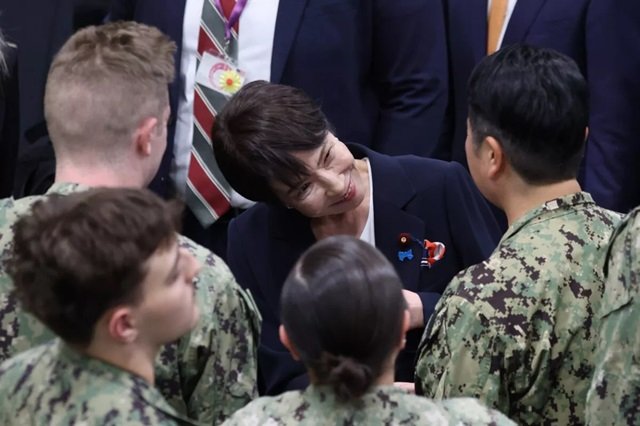
Japan is preparing a major reassessment of its national security policy, with Prime Minister Sanae Takaichi expected to publish revised versions of the country’s three central security documents by the end of the year. The National Security Strategy, National Defense Strategy and Defense Buildup Program will determine how Tokyo responds to evolving military threats, allocates resources and develops its defence capabilities at a time when conflicts in Ukraine and the Middle East are changing the character of modern warfare.
The revisions are attracting close attention from foreign policy specialists and defence officials because Japan’s documents do more than communicate political priorities. They also provide directives and guidelines for government institutions, shaping decisions on military planning, weapons procurement and operational objectives across successive administrations. As The Japan Times has reported in examining the forthcoming changes, the documents will offer important indications of how Tokyo intends to adapt its security policy to shifting geopolitical conditions.
The three documents serve distinct but interconnected purposes. The National Security Strategy establishes the overall direction of Japanese security policy, identifying the country’s core interests and values, medium- and long-term objectives, and potential threats to achieving them. The National Defense Strategy translates those priorities into objectives and initiatives for the Defence Ministry and Self-Defense Forces. The Defense Buildup Program provides a five-year framework identifying the weapons, equipment and resources required to implement the broader strategy.
Japan has revised these documents relatively infrequently. The forthcoming National Security Strategy will be only the third version, following earlier revisions in 2013 and 2022. Since 1976, the country has issued four National Defense Program Guidelines and one National Defense Strategy. Although the ruling Liberal Democratic Party would prefer shorter intervals between revisions, the documents’ longevity has made them central to defence planning beyond the tenure of individual governments.
One of the principal considerations will be how extensively Japan adjusts its military posture in response to modern warfare. Russia’s invasion of Ukraine and hostilities in the Middle East have demonstrated the growing importance of operations across space, cyber and information domains, alongside the accelerated use of artificial intelligence. Drone and missile warfare has also provided countries facing larger military adversaries with new ways to challenge their opponents.
For Japan, these developments could encourage a different approach to defence, particularly as its declining population presents challenges for sustaining military personnel and capabilities. The revisions will indicate whether the government intends to make incremental adjustments to existing programmes or pursue a more extensive transformation of the country’s defence posture.
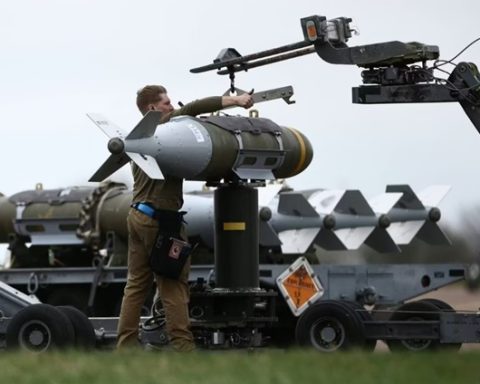
Weapons procurement will be another major test. The 2022 Defense Buildup Program placed greater emphasis on counterstrike capabilities and the development of aircraft-carrier capabilities, priorities pursued for years under former prime minister Shinzo Abe. Subsequent acquisitions included Tomahawk missiles and the conversion of Maritime Self-Defense Force helicopter destroyers into vessels capable of functioning as de facto aircraft carriers.
The next major naval decision could concern whether Japan acquires nuclear-powered submarines to supplement its existing diesel-powered fleet. Nuclear propulsion would allow submarines to remain at sea for longer periods and could create opportunities for deeper cooperation with Australia, the United Kingdom and the United States under the AUKUS framework.
Such a move would, however, require the government to address domestic political and legal questions. Japan maintains its three non-nuclear principles: not possessing, not producing and not permitting the introduction of nuclear weapons into the country. Although nuclear-powered submarines use nuclear technology for propulsion rather than armament, the distinction can become blurred in domestic political debate. The Takaichi administration would need to clarify its interpretation of the lawful use of nuclear power in military equipment if it pursued the capability.
Unmanned and autonomous weapons systems will present another procurement challenge. Japan has fallen behind the United States, Russia, Israel, Ukraine and China in developing these capabilities domestically. The level of investment committed to closing that gap will provide an indication of the government’s longer-term ambitions and its willingness to incorporate emerging technologies into the country’s defence structure.
The revisions will also influence the future of Japan’s domestic defence industry. Tokyo has sought to improve the competitiveness of Japanese defence companies in domestic procurement and international markets, but has struggled to establish a combination of subsidies and government support capable of encouraging sustained investment by private firms.
Australia’s decision last year to procure Mitsubishi Heavy Industries’ Mogami-class frigate could provide a model for future exports. The multiyear project will require continuing government engagement and support, potentially demonstrating how Japanese companies can secure substantial international defence contracts. The new documents will be closely examined by domestic and overseas manufacturers for indications of the capabilities Tokyo intends to prioritise and the extent to which it will support domestic production.
Japan’s relationships with security partners beyond the United States will also receive attention. The US alliance remains central to Tokyo’s defence policy, but Japan has expanded security cooperation with Australia, the Philippines and the United Kingdom. The revisions could establish whether these relationships will remain supplementary arrangements or assume a more prominent role in Japan’s wider security strategy.
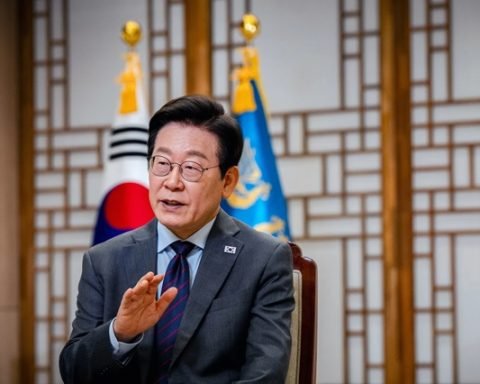
South Korea and Ukraine present more complicated choices. Tokyo and Seoul have continued to deepen security cooperation despite changes of government in both countries, moving towards unprecedented levels of engagement. Historical and political sensitivities nevertheless remain a constraint. The revised documents could clarify how far Japan intends to institutionalise cooperation with South Korea and whether it is prepared to sustain that commitment despite bilateral political difficulties.
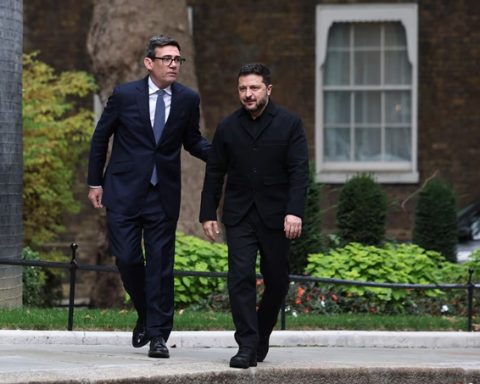
Ukraine poses a different strategic dilemma. Public support in Japan for Ukraine’s defence against Russian aggression remains strong, but some politicians within the Liberal Democratic Party and other parties continue to regard cooperation with Russia as serving Japanese strategic interests. Closer and more enduring security ties with Kyiv could complicate those ambitions.
The forthcoming documents will therefore provide an indication of whether Japan intends to establish lasting cooperation with Ukraine or maintain a more limited relationship. Together with decisions on submarines, autonomous weapons, domestic manufacturing and regional partnerships, that choice will help define the scope of the security policy Takaichi’s government intends to pursue.