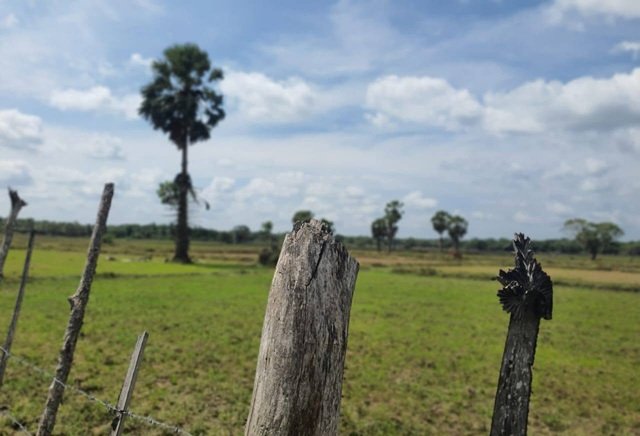
Sri Lanka has suspended the formal declaration of newly identified forest reserves in the Northern Province until outstanding land ownership and boundary disputes are resolved, while moving ahead with plans to release selected tracts from existing reserve status, Environment Minister Dr Dammika Patabendi has said.
The Government has identified land for release under the first phase of a two-stage process intended to address disputes affecting forest reserves in the Northern and Eastern provinces. Any outstanding issues will be taken up during the second phase, the minister told local media.
Patabendi said the disputes arose partly from forest boundaries established using GPS coordinates under previous administrations, particularly by the Department of Forest Conservation. He said the demarcations had resulted in private properties and State institutions, including hospitals, being included within designated reserve boundaries.
A committee was appointed around August last year to identify affected State properties and develop a framework for removing them from reserve status. Although the committee was given six months to complete its work, more than a year has passed without the submission of its final report, the minister said. He attributed the delay mainly to insufficient cooperation from certain District Coordinating Committees but did not identify the bodies involved.
“Because of these ongoing complications, we decided not to formally declare newly identified forest reserves in the Northern Province until these land boundaries and ownership issues are fully cleared and settled,” Patabendi said.
Land disputes involving State-declared forest and wildlife reserves have remained a contentious issue in the Northern and Eastern provinces decades after the end of Sri Lanka’s civil conflict. Analyses and periodic monitoring reports published by the Centre for Policy Alternatives have documented concerns about conservation boundaries overlapping with ancestral lands, traditional agricultural plots and residential properties belonging to war-displaced minority communities.
Human rights organisations and civil society groups have warned that unilateral land appropriation justified on environmental conservation grounds can intensify ethnic tensions and impede post-conflict reconciliation.
Regional administrative bodies have also raised concerns about the effects of overlapping jurisdictions between provincial agencies and Central Government institutions, including the Forest Conservation Department, Department of Wildlife Conservation and Mahaweli Authority. Restrictions associated with these overlapping responsibilities have complicated efforts to rehabilitate ancient irrigation tanks, clear waterways and construct access roads, affecting infrastructure development and rural livelihoods.
Amid public pressure and political representations, the Cabinet of Ministers and Presidential Secretariat have initiated administrative reviews, including proposals to assess and release approximately 200,000 acres of State-controlled land in the Northern and Eastern provinces. The proposals are intended to accommodate displaced residents, provide land for livestock grazing and facilitate regional development.
Alongside the land reviews, the ministry is pursuing changes to environmental legislation. Patabendi said the National Environmental Act had been revised and passed after a gap of 26 years, while three other statutes were undergoing revision.
The Fauna and Flora Protection Ordinance No. 2 of 1937, administered by the Department of Wildlife Conservation, had not undergone a major revision for 44 years, the minister said, referring to the 2009 amendment and the need for further changes. Draft bills have been prepared, and the ministry is ready to seek Cabinet approval.
The Government has also secured Cabinet approval to amend the Water Resources Board Act No. 29 of 1964. Draft amendments to the Marine Pollution Prevention Act are being prepared.
Separately, the ministry has completed a draft policy on captive elephants after a prolonged period without an implemented national policy. Patabendi said the draft would be discussed with the Mahanayaka Theras and other religious leaders, with the aim of establishing a legal framework for registering elephants and permitting their use in traditional and religious festivals while meeting animal welfare standards.