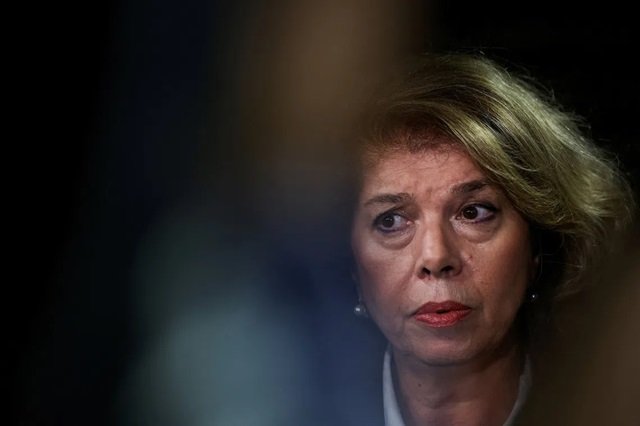
Bulgaria will hold a presidential runoff on November 1 after incumbent Iliana Iotova narrowly led her main challenger, former caretaker prime minister Andrey Gyurov, in Sunday’s election, which recorded historically low voter participation. Official results with 95 per cent of votes counted showed Iotova winning 34.6 per cent, compared with 32 per cent for Gyurov, leaving both short of the 50 per cent required to secure an outright victory in a contest involving 27 candidates.
Only about 22 per cent of eligible voters participated, according to polling agencies. The low turnout came as Bulgaria faced heightened security concerns following a series of drone attacks on merchant ships off its Black Sea coast that likely killed about two dozen international seafarers. The strikes prompted international condemnation and concern over the expanding reach of the war in Ukraine, while the government sought assistance from allies to strengthen maritime security.
Bulgaria has stopped short of directly accusing Russia of carrying out the attacks. Prime Minister Rumen Radev said, however, that their outcome “benefits the Russian Federation”. Both leading presidential candidates condemned the strikes, although they differ over the wider conflict and how Bulgaria should respond to the war.
Iotova, 61, became acting president in January after Radev resigned to enter the parliamentary election, which he won on a platform that many political analysts considered friendly towards the Kremlin. Radev supports Iotova, and both have called for a diplomatic resolution to the war. If she wins the runoff, Iotova would become Bulgaria’s first elected female president.
Speaking after polling stations closed at 8 p.m. on Sunday, Iotova urged Bulgarians to participate in the political process. “I want to share a certain worry and tell Bulgarians that it is an illusion if they think we can change something in this country without (them) voting,” she said.
Gyurov, 50, served as caretaker prime minister earlier this year and is backed by pro-Western, reformist parties. He has consistently expressed support for Ukraine and signed a security cooperation agreement with Kyiv while in office, placing him at odds with Iotova and Radev over the approach to Russia’s war.
The November 1 runoff will determine who assumes the largely ceremonial presidency following a campaign shaped by competing positions on the war and growing concern over maritime security. The initial result leaves Iotova with a narrow lead, but neither candidate secured the majority needed to avoid a second round.